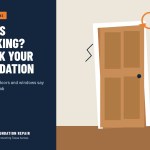
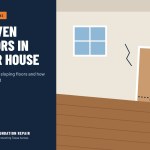
It starts small. The bedroom door needs a little shoulder to close. The back door won’t latch unless you lift the handle.
Then the bathroom door starts swinging open on its own.
Doors sticking is one of the first things homeowners notice when a foundation starts moving. It’s also one of the easiest signs to brush off. Here’s how to tell whether it’s just humidity or something bigger going on underneath.
Why Doors Are an Early Warning Sign
A door and its frame are built to fit together with a small, even gap all the way around. That gap is only about an eighth of an inch.
When the foundation shifts, the walls shift with it. The frame twists just a little, and suddenly that tiny gap closes on one side. The door rubs, drags or won’t latch.
Because the fit is so tight, doors react to movement long before you’d notice it in the floors. That’s what makes them such a good early clue.
Humidity or Foundation?
Not every sticky door means trouble. Wood swells in humid weather, and Houston has plenty of that.
Here’s how to tell the difference.
- Humidity tends to affect wood doors evenly, and they loosen up again in drier weather
- Foundation movement usually affects several doors on the same side of the house
- Humidity rarely causes doors to swing open on their own
- Foundation movement often comes with cracks near the door frame
If the problem shows up with cracks or gaps, the foundation deserves a look.
Out of Square Door Frames
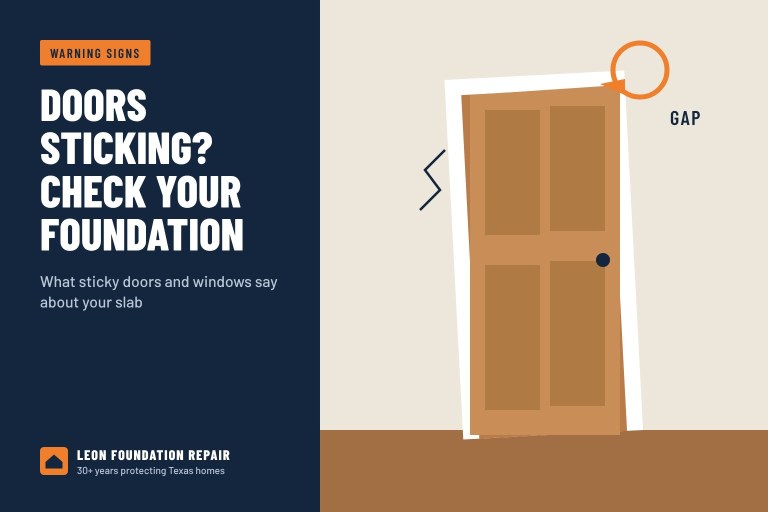
Take a close look at the top of the frame. When a corner of the house drops, out of square door frames are the result. The top of the door may be tight on one side and wide open on the other.
You might see the door rub at the top corner, or the latch line up above or below the strike plate. Some homeowners file down the strike plate or plane the door. That helps for a while, but it doesn’t fix why the frame moved.
Door Frame Gaps Tell a Story
Door frame gaps are easy to check. Close the door and look at the space around it.
An even gap all around is good. A gap that’s wide at the top and tight at the bottom on one side tells you that corner has shifted. A gap that changes between summer and winter tells you the house is moving with the seasons.
You can even track it. Take a photo of the gap each month with your phone. Changes over time are a clear sign of ongoing movement.
Windows Hard to Open Too?
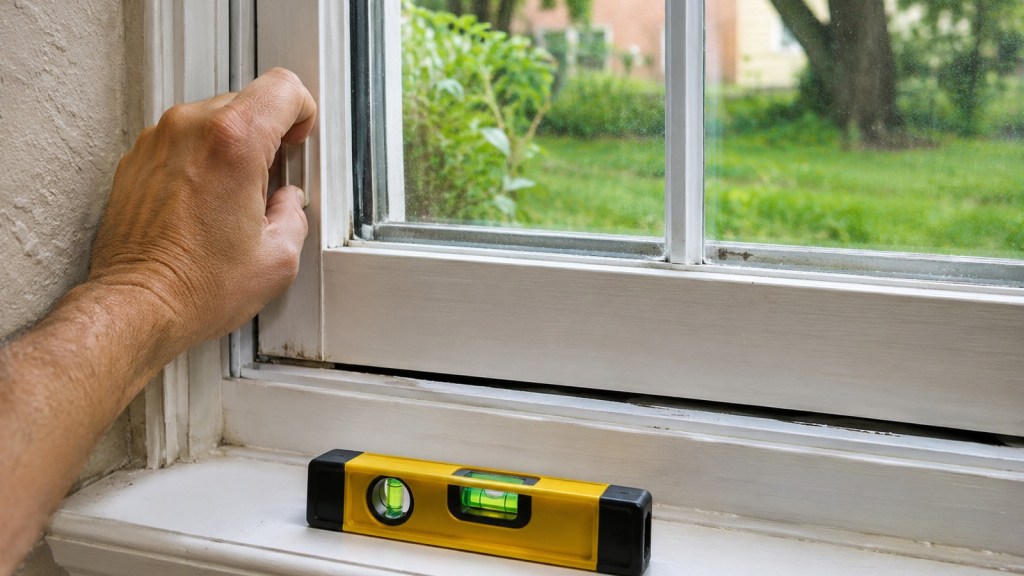
Windows follow the same rules as doors. When walls shift, frames twist and sashes bind.
Windows hard to open or close, especially several on one side of the house, are a classic partner to sticking doors. Some windows even crack at the corners or show daylight around the frame.
Seasonal Foundation Movement in Houston
Here’s a pattern we see all the time. Doors stick in August, then work fine again by December. Then sticking again the next summer, a little worse.
That’s seasonal foundation movement. In dry months, clay shrinks and parts of the slab drop. In wet months, it swells and lifts things back up. The house flexes back and forth.
Some movement like that is normal. But when the swings get bigger each year, or the doors never fully recover, the foundation is losing ground. Our post on why foundations shift more during Texas summers explains the cycle.
Drought makes it worse. You can check how dry your area is on the U.S. Drought Monitor, which tracks conditions across Texas week by week.
Other Signs to Look For
Sticky doors rarely come alone. Check for these while you’re at it.
- Diagonal cracks running from door corners in drywall
- Stair-step cracks in brick on the outside
- Floors that feel sloped near the problem doors
- Gaps between walls and ceilings
- Cracks in tile near doorways
Our post on stair step cracks in brick pairs well with this checklist.
Which Doors Matter Most
Not every door tells you the same thing. Interior doors on the outside edge of the house are often the first to react, since the perimeter of the slab moves the most.
Exterior doors are good clues too, but weatherstripping and humidity can muddy the picture. Doors near the middle of the house usually react later, unless the center of the slab is moving.
French doors and double doors are especially sensitive. Because they meet in the middle, even a small twist in the frame makes them rub or stop latching. If yours suddenly won’t line up, pay attention.
A Quick Test You Can Do
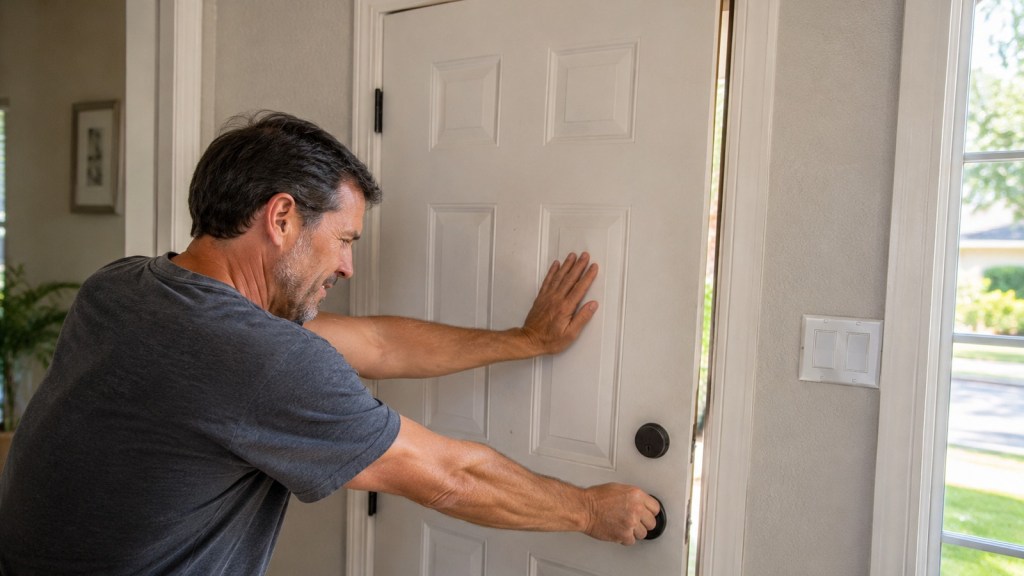
Open the door halfway and let go. If it swings open or shut on its own, the frame is likely out of plumb. Check a few doors this way and note which side of the house they’re on. A cluster on one side points to that part of the foundation.
Should You Just Fix the Door?
You can, and sometimes that’s all you need. A carpenter can plane the door, adjust the hinges or move the strike plate.
But if the foundation is still moving, the door will stick again. Usually in a different spot. If you keep fixing the same doors every year, that’s a sign the real problem is underneath.
What a Foundation Inspection Looks For
During an inspection, a pro takes elevation readings across the floor and maps the high and low points. Then they line those numbers up with what’s happening at your doors and windows.
If the low spots match the sticking doors, the cause is clear. If they don’t, it might be humidity, framing or a door that was hung badly from the start. Either way, you’ll know.
Our post on structural engineer foundation inspections explains how the readings work.
How It Gets Fixed
If the foundation has settled, piers are installed under the low areas and the house is lifted back toward level. Many homeowners are surprised how many doors start closing smoothly again after the lift.
Some may still need minor adjustment once the house settles onto its new support. That’s normal, and usually a quick fix with a screwdriver. Our post on what to expect after foundation repair covers those first few weeks.
Questions Homeowners Ask
Does doors sticking always mean foundation damage?
No. Humidity, loose hinges and old paint can all cause it. The pattern and the other signs tell you which.
Is it urgent?
Usually not an emergency. But it’s worth checking before small movement turns into bigger cracks.
Will doors sticking go away on its own?
Sometimes, for a season. If the cause is the foundation, it tends to come back worse.
Find Out What’s Really Going On
Doors sticking is your house trying to get your attention. A free inspection tells you whether it’s a simple fix or a sign of something bigger.
Call (866) 617-0406 or schedule a free estimate. We’ll check the doors, the floors and the slab, and give you a straight answer.