If you live near the Gulf, you know the drill. Every summer, you watch the tropics. Every fall, you breathe a little easier when the season winds down.
And if you’ve been through Ike, Harvey or Beryl, you probably remember exactly where the water stopped in your neighborhood.
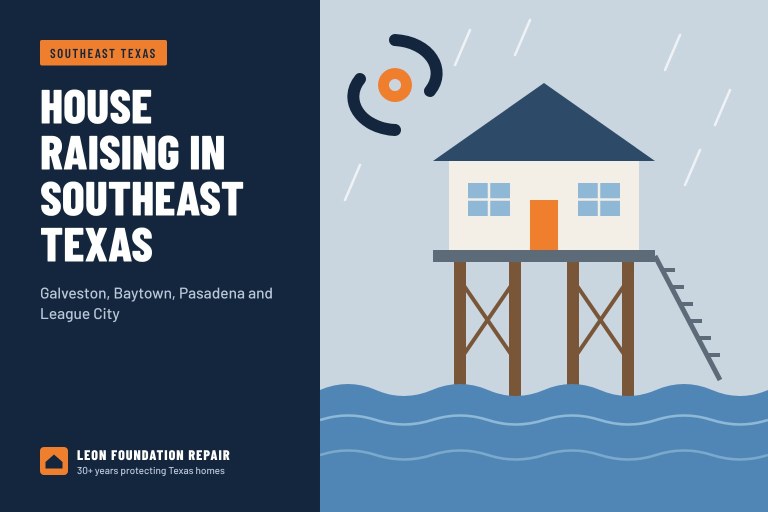
House raising in Southeast Texas isn’t a new idea. Galveston famously raised the grade of much of the island after the 1900 Storm. Today, raising individual homes is one of the most effective ways families protect themselves from the next flood. Here’s what you should know.
Why Southeast Texas Homes Flood
This part of Texas is low, flat and close to the water. That’s a tough combination.
Heavy rain has nowhere to go on flat ground, so bayous and creeks overflow fast. Along the coast and bays, hurricanes push storm surge inland, sometimes miles from the beach. And clay soil drains slowly, so water sits around longer than you’d like.
Harvey showed that you don’t need a direct hit to flood. Days of rain did it. Ike showed what storm surge can do to coastal towns. Both are reasons so many homeowners here are thinking about elevation.
Home Elevation Galveston Homeowners Should Know About
Home elevation Galveston projects come with their own rules. Much of the island sits in high-risk coastal flood zones, including V zones where waves add force on top of rising water.
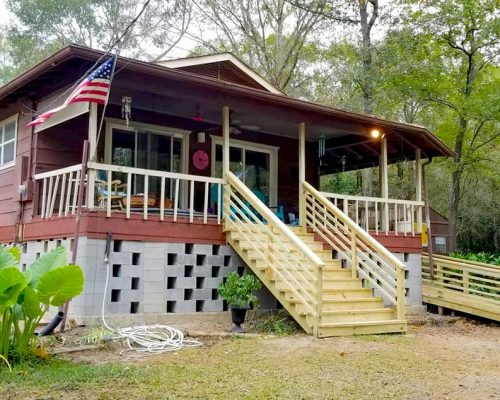
In those zones, homes typically need to sit on open foundations like piles or columns, with the lowest structural member above the required flood level. Enclosed space below is limited and often must use breakaway walls designed to give way in a storm.
It’s a different kind of lift than in inland neighborhoods. Experience with coastal rules matters a lot here.
Storm Surge Elevation Requirements
Storm surge elevation requirements depend on your flood zone and your local floodplain rules. Coastal areas usually have stricter standards than inland neighborhoods.
Your target height is generally based on the base flood elevation for your lot, often with extra freeboard added by local ordinance. In V zones, the measurement is usually taken from the bottom of the lowest horizontal structural member, not the floor itself.
If that sounds technical, don’t worry. A survey and elevation certificate will tell you exactly where your home stands, and we work with engineers to design a lift that meets the rules. Our guide on understanding Texas flood zones is a great place to start.
Baytown, Pasadena and League City
Not every flood risk is right on the beach. Inland communities face their own threats.
Baytown
Baytown sits along the bays and the Houston Ship Channel, so it deals with both heavy rain and surge risk. Many older neighborhoods are low and close to the water, which makes elevation worth a serious look.
Pasadena
Pasadena has a lot of older homes and flat ground that drains slowly. Heavy rain events can push water into streets and homes quickly. Raising pier and beam homes here is often simpler than people expect.
League City
League City sits near Clear Creek and Clear Lake, areas that flooded badly during Harvey. Newer subdivisions and older neighborhoods alike have homes that took on water. House raising in Southeast Texas towns like this one has become much more common since.
Coastal Flood Protection Beyond the Lift
Raising the house does the heavy lifting. A few more steps round out real coastal flood protection.
Move AC units, water heaters and electrical panels above flood level. Use flood vents in any enclosed lower area, so water flows through instead of pushing walls over. Pick materials below the house that can handle getting wet.
And keep up with drainage around your property. A raised house surrounded by standing water still has issues to deal with.
Building a Hurricane-Ready Home
A hurricane-ready home isn’t just about height. It’s about being prepared before the storm forms.
Know your evacuation zone. Keep important papers in a waterproof bag. Have a plan for pets and family members who need extra help. And watch forecasts from the National Hurricane Center once the season starts.
Our post on hurricane season in Texas has a full checklist of what to do before, during and after a storm.
What House Raising Costs Here
Cost depends on the size of the home, the foundation type and how high you need to go. Pier and beam homes are usually less expensive to raise than slab homes. Coastal lifts onto tall pilings can add more cost.
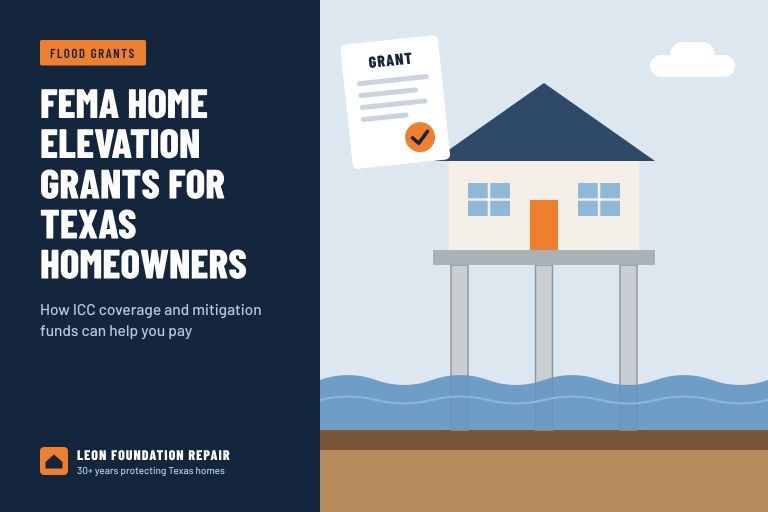
The good news is that help may be available. If your home was declared substantially damaged after a flood, Increased Cost of Compliance coverage on your flood policy may help. Some communities also apply for FEMA mitigation funding for repeatedly flooded homes. Financing can cover the rest.
Raising the house can also lower flood insurance premiums, sometimes a lot. Over time, those savings help offset the cost.
The Process, Start to Finish
Every lift follows a similar path:
- Free inspection and initial quote
- Survey, elevation certificate and engineering
- Permits and floodplain review
- Disconnecting utilities and preparing the site
- Lifting the house in careful, controlled steps
- Building the new foundation underneath
- Setting the house down and reconnecting everything
- Final inspections and a new elevation certificate
Plan on moving out during the lift. Most families find the peace of mind is worth a few weeks away.
Pier and Beam vs Slab Lifts Near the Coast
Lots of older homes in Pasadena, Baytown and around Galveston Bay sit on pier and beam foundations. That’s good news if you’re thinking about raising. Crews can slide beams through the crawl space, and the lift tends to be faster and less expensive.
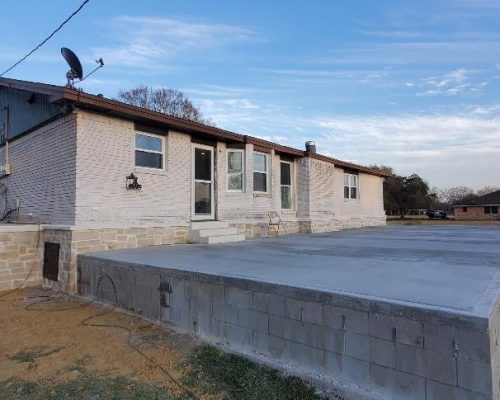
Slab homes can be raised too. The slab comes up with the house, which takes more steel, more care and more time. It’s still very doable, and many League City and Pasadena homes on slabs have been lifted successfully.
Questions About House Raising in Southeast Texas
How high will my house need to go?
It depends on your flood zone and local rules. Many homes go a few feet, while coastal homes in V zones may go much higher on pilings.
Can I raise my house before hurricane season?
Sometimes. Permits and engineering take time, so start early. Fall and winter are great times to begin planning.
Will raising my home change how it looks?
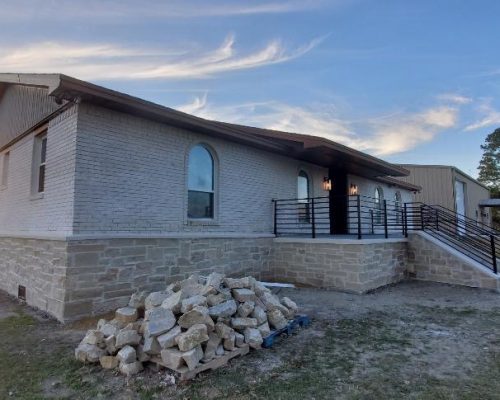
A bit. You’ll have new stairs and a taller profile, but a well-planned lift can look great and add curb appeal.
Is It Worth It?
For homes that have flooded before, the answer is usually yes. A single flood can cost tens of thousands of dollars in repairs and months of disruption. Two floods can cost more than a lift.
House raising in Southeast Texas lets you stop bracing for the next storm and start living in your home with real confidence.
Let’s Talk About Your Home
We’ve been raising and repairing homes across Texas for over 30 years, from inland Houston neighborhoods to the coast. Our lifts are built to be FEMA compliant from day one.
Learn more about our house raising service, or call (866) 617-0406 to schedule a free inspection. We’ll show you how high your home needs to go and what it’ll take to get there.