
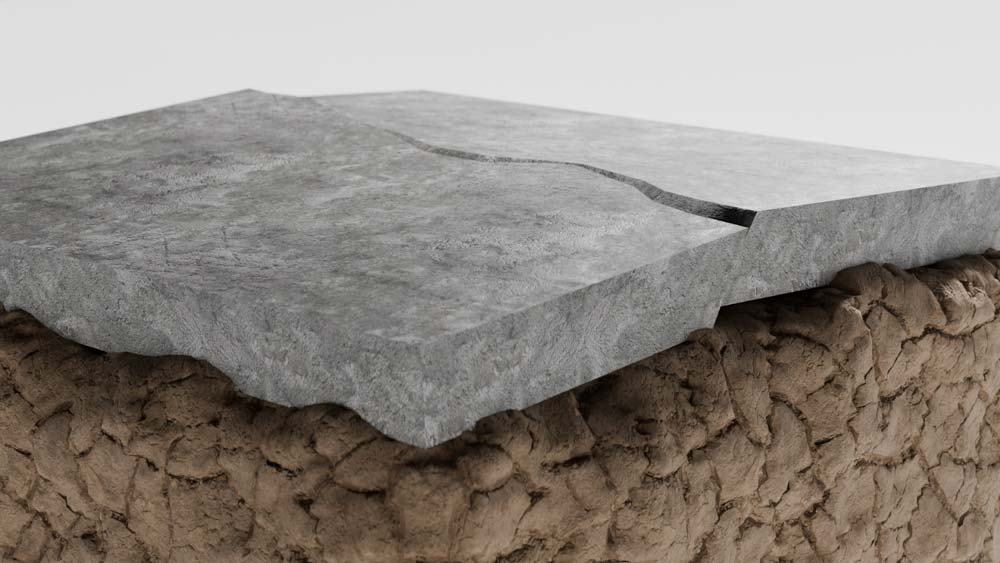
If you live in Texas or much of the southern United States chances are your home sits on expansive clay soil. It is one of the biggest reasons foundation problems are so common here and one of the main reasons companies like Leon Foundation Repair exist. But what does the term actually mean and why should every Houston homeowner understand it?
What Is Expansive Clay Soil?
Expansive clay soil is a type of soil that swells when it gets wet and shrinks dramatically when it dries out. Unlike sandy or loamy soils that stay relatively stable throughout seasonal changes, clay particles absorb water like a sponge and then contract as they lose moisture. This constant cycle of expansion and contraction puts enormous stress on anything sitting on top of it — including your home’s foundation. In Texas that cycle happens repeatedly throughout the year making expansive clay soil one of the most persistent threats to residential foundations in the entire country.
Why It’s a Problem for Your Home
Your home’s foundation is designed to stay level and provide long term structural stability. But when the ground beneath it moves the foundation moves with it. With expansive clay soil that movement can be significant enough to cause serious structural damage over time. During dry seasons the soil shrinks and pulls away from your foundation creating gaps beneath the slab that leave sections of your home without support. Those unsupported areas begin to sink or settle unevenly. Then when the wet season arrives the soil absorbs moisture and swells again pushing upward and outward against your foundation from multiple directions. Over time this back and forth movement causes cracks in the slab, separation in walls, and floors that are no longer level — all direct consequences of living on expansive clay soil.
Common Signs That Expansive Soil Is Affecting Your Foundation
Knowing what to look for is the first step in protecting your home. If expansive clay soil is actively stressing your foundation you will likely start noticing some of the following warning signs. Cracks appearing in your interior drywall or exterior brick — especially diagonal cracks near the corners of doors and windows — are one of the earliest and most reliable indicators. Doors and windows that suddenly stick, feel stiff, or won’t latch properly suggest that your foundation has shifted and pulled the frames out of alignment. Gaps forming around your trim, baseboards, or cabinets indicate that sections of your home are moving relative to each other. Sloping or uneven floors and visible separation between your foundation and the structure of your home are more advanced signs that the damage has been progressing for some time. None of these symptoms should be ignored — catching them early is always the key to a more affordable repair.
Why Expansive Clay Is So Common in Texas
Much of Texas sits on clay-rich soil particularly in the greater Houston, Dallas, Austin, and San Antonio areas. The combination of expansive clay soil and Texas’s extreme weather pattern — long dry droughts followed by periods of heavy rainfall — creates the perfect conditions for dramatic and repeated soil movement. The soil expands aggressively during wet springs and then contracts sharply during hot dry summers. This cycle repeats year after year putting your foundation through constant stress that accumulates over time. It is why foundation repair is one of the most common home improvement needs in the state and why Houston homeowners in particular deal with foundation issues at a much higher rate than most of the country.
How Professional Foundation Repair Addresses the Problem
The good news is that living on expansive clay soil does not mean you have to accept foundation damage as inevitable. Professional foundation repair stabilizes your home by transferring its weight away from the unstable clay layer and down to deeper more stable layers of earth that are not affected by surface moisture changes. This is typically accomplished using systems like concrete pressed piers, steel or hybrid piers, or block and base adjustments for pier and beam homes. Each of these solutions provides long term stability even as the expansive clay soil above continues its natural cycle of shrinking and swelling.
Protecting Your Home Starts With Understanding the Soil Beneath It
Expansive clay soil is a natural part of living in Texas but it does not have to damage your home. By understanding what it is and recognizing the early warning signs of foundation stress you can take action before small manageable issues become major structural repairs. The longer foundation problems are left unaddressed the more expensive and complex the repair becomes — which is why early intervention always makes the most financial sense.
At Leon Foundation Repair we have helped hundreds of Houston homeowners navigate the challenges of expansive clay soil. If you are noticing cracks, sticking doors, or uneven floors contact us today to schedule a free evaluation. We will assess your foundation and recommend the right solution to keep your home stable for years to come.
One Response