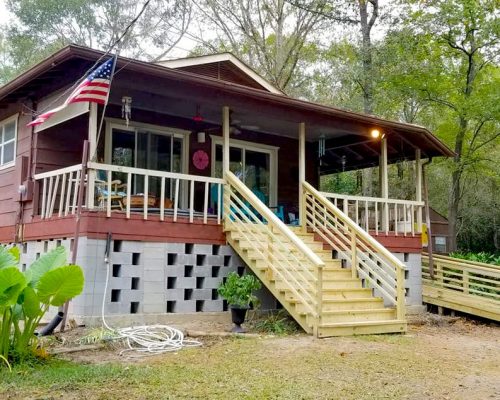
Walk through older Houston neighborhoods like the Heights, Garden Oaks or Pasadena and you’ll see a lot of homes sitting a couple of feet off the ground. Look under the edge and you’ll spot short stacks of concrete blocks holding the house up.
That’s a block and base foundation. It’s been around for decades, and a lot of these homes are still going strong.
But like any foundation in Houston clay, it needs attention now and then. Here’s what block and base foundation repair involves, what to watch for and how the fix usually works.
What Is a Block and Base Foundation?
A block and base foundation is a type of pier and beam setup. Instead of deep piers, the house rests on concrete block piers stacked on top of a concrete pad, or “base,” that sits on or just below the soil.
Wood beams run across those blocks, floor joists sit on the beams and your floor sits on the joists. Simple, cheap to build and easy to adjust. That’s why so many older Texas homes were built this way.
The weak point is the base itself. It’s shallow. When the clay underneath swells, shrinks or gets soggy, the pads can tilt, sink or crack. The blocks follow, and the floor above starts to move.
Common Signs You Need Block and Base Foundation Repair
These homes tend to tell you when something’s off. You just have to know the language.
Sagging Floors
Sagging floors are the most common complaint. You might notice a dip in the hallway or a soft spot near the kitchen. Roll a marble across the floor and it heads straight for one corner.
Bouncy or Squeaky Floors
A little squeak is normal in an older house. A floor that bounces when you walk, or creaks way more than it used to, often means beams or joists have lost support.
Doors and Windows Acting Up
Doors that swing open on their own, stick at the top or won’t latch are classic signs. So are windows that suddenly bind or show daylight at the corners.
Leaning or Cracked Blocks
If you can see under the house, take a flashlight and look. Blocks that lean, crack or sit on a tilted base are a clear signal that the support is failing.
What’s Going On Under There
Most block and base problems come down to three things.
First, the soil. Houston clay moves with the seasons, and shallow bases move right along with it. Second, water. Poor drainage around the house soaks the soil under some pads and not others, so the house settles unevenly.
Third, wood decay. Moisture in the crawl space can lead to rotted sill plates, rotted beams or termite damage. Once the wood weakens, even solid blocks can’t hold the floor level.
How Block and Base Foundation Repair Works
The good news? These homes are often easier to fix than slab homes, because there’s room to work underneath.
Releveling and Reshimming
On many homes, the main fix is pier and beam house leveling. The crew jacks up low spots, replaces worn shims and resets the beams so the floor sits level again.
It’s the lightest repair, and sometimes it’s all that’s needed. We explained why these homes use wood shims instead of steel in our post on steel vs wood shims.
Replacing Blocks and Bases
When pads have sunk or cracked, the old blocks and bases come out. New ones go in, often bigger and set on better-prepared soil. In tougher spots, deeper piers may replace them entirely.
Adding Support Points
Some older homes just don’t have enough blocks. Over time the beams sag between them. Adding new piers shortens the span and stiffens the whole floor.
Fixing the Wood
If sill plates, beams or joists are rotted, they need to be replaced or sistered with new lumber. Leveling a house on rotten wood is like resetting a table with a broken leg. It won’t last.
Block and Base vs Pressed Pilings
Some homeowners ask if they should switch to deeper piers. It depends on the home.
Pressed pilings or concrete piers reach deeper, more stable soil. They’re less likely to move with seasonal changes. For homes that have needed releveling every few years, that upgrade can make sense.
For homes with minor settling and solid wood, a careful releveling job may hold up just fine. A good inspection will tell you which camp your home falls into.
What Does Block and Base Foundation Repair Cost?
Simple releveling jobs on pier and beam homes are often among the least expensive foundation repairs. Costs climb when bases need replacing, when new piers are added or when wood repairs pile up.
The size of the home and how easy it is to get under it also matter. Tight crawl spaces slow the crew down. Homes with lots of rotted wood take longer.
Bottom line, get a real inspection before you budget. Guessing almost always comes in low.
How Long Does the Work Take?
Most simple releveling jobs on block and base homes wrap up in a day or two. Jobs with new bases, extra piers or a lot of wood replacement can stretch a bit longer.
You can usually stay in the house the whole time. The crew works underneath, so life upstairs carries on, maybe with a little extra noise.
Questions We Hear About Block and Base Homes
Is a block and base house a bad buy?
Not at all. Plenty of these homes have stood for 60 or 70 years. Just budget for occasional releveling and get the crawl space checked before you close.
How often do these homes need releveling?
It varies. Some go a decade or more. Homes with poor drainage or lots of seasonal soil movement may need attention sooner. Good drainage stretches the time between visits.
Can it all be done in one visit?
Often, yes. Unless there’s major wood damage or a long list of new piers, most jobs are finished in a single trip.
Keep It Healthy After the Repair
A few habits go a long way with these homes:
- Keep gutters clean and pointed away from the house
- Make sure the yard drains away from the foundation, and add drainage solutions if water pools
- Keep vents open so the crawl space can breathe
- Check under the house once a year for standing water or damaged wood
Want a checklist for what inspectors look for in a crawl space? The International Association of Certified Home Inspectors has helpful homeowner resources.
Why Experience Matters With These Homes
Block and base homes are forgiving, but they’re also easy to get wrong. Raise one side too fast and you crack plaster. Skip the rotted wood and the floor sags again by next summer.
Our crawl space foundation crews have spent decades under older Houston homes. We take it slow, fix what’s actually broken and tell you straight what can wait.
Get Your Floors Back to Level
If your floors are dipping, bouncing or tilting, block and base foundation repair can usually bring them back without a huge price tag. The sooner you catch it, the simpler the fix.
Call (866) 617-0406 or request your free estimate. We’ll crawl under, take a good look and give you a clear plan for your home.