One of the most fun things you can do is remodel your home. When you flip a house for profit or improve your main home, the vision usually starts with the fun things like new paint colors, modern kitchens, open layouts, upgraded bathrooms, and stylish finishes. Pinterest boards fill up, material samples start to pile up, and ideas move quickly.
But a lot of homeowners skip the most important step when they are in a hurry to design and upgrade.
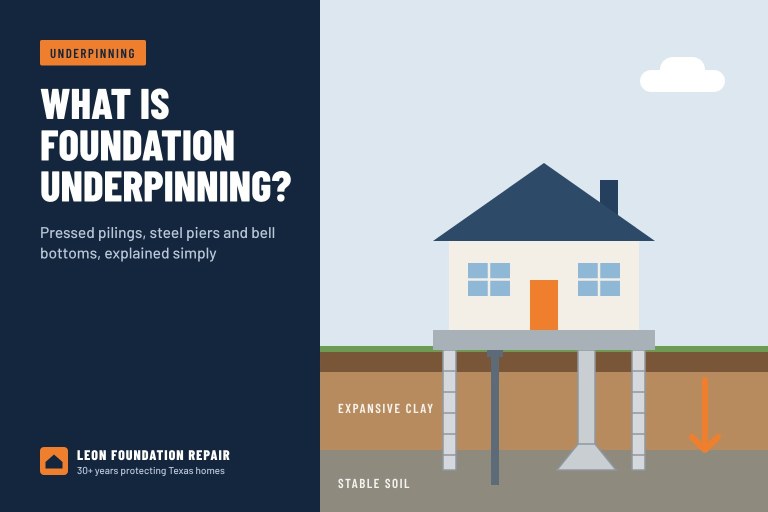
You should check that your foundation is strong before you start remodeling.
It’s not the fun part of remodeling. It’s not what you see in the listing photos. But it’s what decides if your remodel stays up or falls apart financially.
If you do cosmetic upgrades first on a home with foundation movement, you’re building on shaky ground. If the house needs to be leveled later, the structural change can make things look different all over the house. Cracks in drywall can open up again. Tiles can move or pop. Cabinets can move away from walls a little bit. There can be gaps in trim. You might need to change the way your doors and windows work. The floor can buckle or spread.
The house is being realigned even when leveling is done right. Everything connected to that natural correction can be affected.
This is why you might have to pay twice to fix cosmetic damage after structural work: once for the initial renovation and again for the cosmetic damage.
The stakes are even higher for people who invest in real estate. Buyers and inspectors look at foundation problems first. If the inspection shows that there are problems with the structure, negotiations can quickly change, even if you have a beautifully remodeled home with high-end finishes. Buyers might ask for big credits, put off closing, or even walk away. And if you remodel the house first and then level it, new cosmetic cracks may show up, which can scare buyers even if they are only minor changes.
Not only does starting with foundation repair protect your investment in the renovation, it also protects your exit strategy.
For homeowners who plan to stay for a long time, the risk is different but just as expensive. If the foundation keeps moving, it can keep damaging cosmetic work over time. You could fix cracks, paint walls, or change doors over and over again without ever fixing the real problem. That cycle costs a lot of money and makes things harder than they need to be.
First, make sure your home is stable so you can relax. It makes sure that every dollar you spend on upgrades is based on something solid.
But fixing the foundation isn’t the last thing you need to do before remodeling. Before you start cosmetic work, you should check to see if structural movement has affected other systems in the house.
One big one is plumbing. When foundations move, sewer lines that are buried can break or come apart. Older cast iron plumbing systems are especially weak. You can find hidden plumbing problems before closing the walls and putting on new finishes by doing a plumbing test after leveling.
You should also look over the framing. If movement affected the floor joists, beams, and other structural wood parts, they may need to be reinforced or replaced. Taking care of the framing before doing cosmetic work makes sure the structure stays stable for a long time.
Another important factor is drainage. One of the main reasons for foundation problems is that water doesn’t flow well around the house. Making sure that the grading is right, the gutters work, and the water flows away from the slab can stop problems from happening in the future.
The best way to remodel is to follow a clear order: first, check the structure, fix the foundation if necessary, test the plumbing, check the framing, fix the drainage, and only then start making cosmetic changes.
Whether you’re building equity or making a profit, remodeling is an investment. People see finishes, but structure is what really matters.
Before you pick out paint colors or put in new floors, take a look at what’s underneath everything. A beautiful remodel that is built on an unstable foundation won’t last. A home that is well-built and has been carefully updated is a good investment for the long term.
If you want to remodel, start with the foundation. It might not be the most fun part of the project, but it’s the most important one.