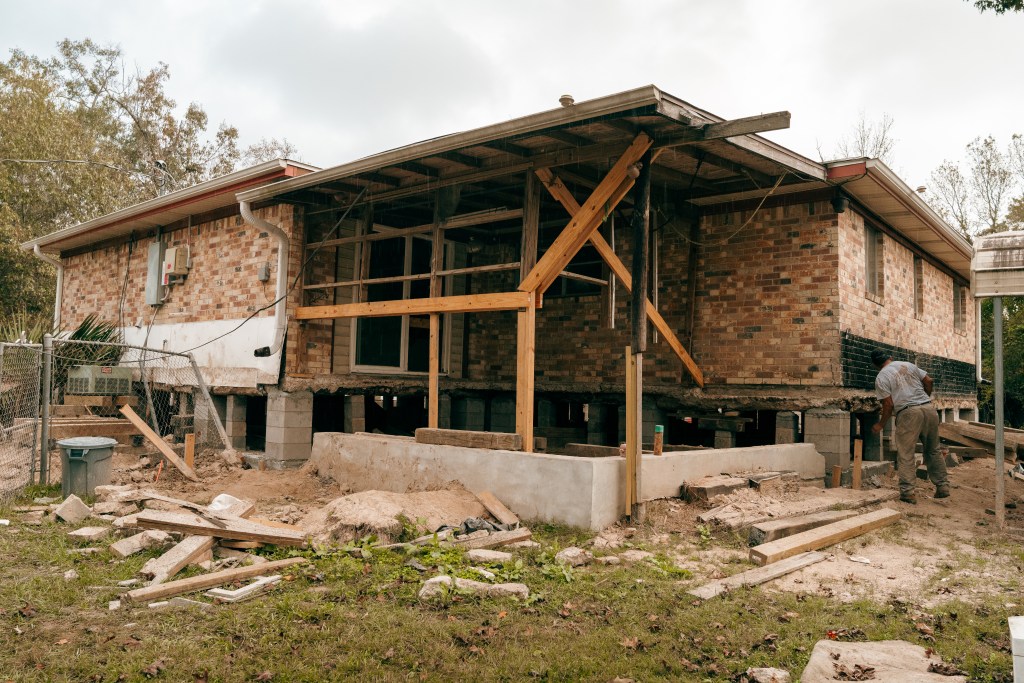
One of the hardest things a homeowner can do is raise their house. To raise a house, you need to be precise, plan ahead, and have the necessary tools. This is true whether the aim is to lower the danger of flooding, fix a catastrophic foundation collapse, or change a slab foundation into a pier-and-beam system. Homeowners naturally have a lot of vital concerns before going ahead, and one of the most significant is how the house will really be raised.
One of the first things people want to know is what home elevation really means. Home elevation is the process of taking a building off its current foundation, putting structural steel beams below it, and raising the whole house to a new height. Once the building is raised, a new foundation system, such concrete pilings or CMU block columns, is built below it to keep it up for good. The new mechanism then holds the house in place.
Another prevalent issue is why it would even be necessary to raise the ground. In a lot of situations, frequent flooding is what causes the problem. Raising a house may minimize the chances of future flood damage and may also cut the cost of flood insurance. In certain cases, the best long-term answer is to raise the building because of significant foundation settlement or structural instability. Some homeowners also raise their homes to meet new floodplain rules or to make their property worth more overall.
The following inquiry, and the most crucial one, should be: How is the house being raised?
A unified hydraulic jacking system designed just for structure lifting is used by professional elevation contractors. Jahns Structure Jacking Systems is one of the most well-known companies in the business. These systems link many hydraulic cylinders to a central power unit. This lets the structure rise uniformly at all lift locations at once. Steel beams are carefully placed beneath the structure to evenly distribute the weight, and the lift is regulated in tiny, exact steps.
It’s really important that these lifts be in rhythm. Even little changes in movement may put stress on the structure when tens of thousands of pounds are being lifted. A unified system makes sure that the home rises evenly, which lowers the chances of twisting, separating beams, or drywall and finishes breaking too much.
A lot of people are shocked to find out that certain builders could try to lift buildings using bottle jacks. Bottle jacks can raise modest amounts of weight, but they work on their own and aren’t coordinated. This implies that each lift point might travel at a slightly different speed. That irregularity might provide unequal pressure across the frame system over the duration of a complete elevation.
You can technically use bottle jacks to elevate a house. But it is not a good idea for major structural elevations. Without a synchronized hydraulic system, the chances of misalignment, frame stress, and structural deformation go up a lot. Home elevating isn’t just about lifting weight; it’s also about lifting weight safely and evenly.
This is why it’s crucial to choose a firm that has and uses professional-grade lifting equipment, such a Jahns Structure Jacking System. When a contractor owns their own tools, it shows that they are committed to the profession for the long run. It also indicates that their workforce has been trained especially on that system, knows its tolerances, and can lift things without using equipment from other companies.
Another worry is if the lift may cause cracks. Even when everything is perfect, little cosmetic cracks might appear in drywall or trim because the structure is being changed. But synchronized lifting mechanisms cut down on tension that isn’t needed a lot more than unsynchronized jacks do.
In the end, house elevation is all about accuracy, safety, and the long-term strength of the structure. The way your house is lifted is just as important as the foundation it will rest on after. Smaller jacks may seem like they can do the job, but professional unified hydraulic systems are designed only for lifting structures.
If you’re thinking about a house elevation project, don’t be afraid to inquire what tools will be utilized. It’s not simply a matter of taste to choose a contractor that buys the right tools; it’s a choice that will directly effect the safety, stability, and durability of your house.