What to Expect After Your Home Has Been Leveled: Crawl Space vs. Slab Foundations
Leveling your home is a critical step in restoring its structural integrity and functionality. Whether your home sits on a crawl space (block and base or pier and beam) or a concrete slab, understanding what to expect after leveling is essential. Many homeowners are surprised to learn that achieving a “perfect level” isn’t always possible or even advisable, and that some movement is likely over time.
Crawl Space Homes (Block and Base / Pier and Beam)
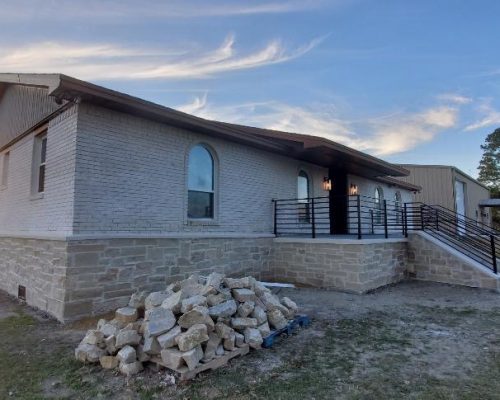
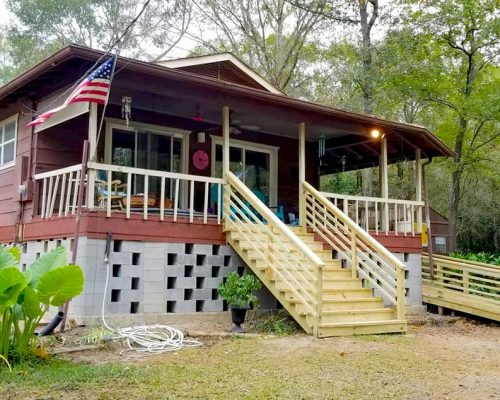
Homes built on crawl spaces are elevated above the ground and supported by beams or blocks. While this design allows easier access to plumbing and electrical systems, it also means these homes are more prone to movement.
-
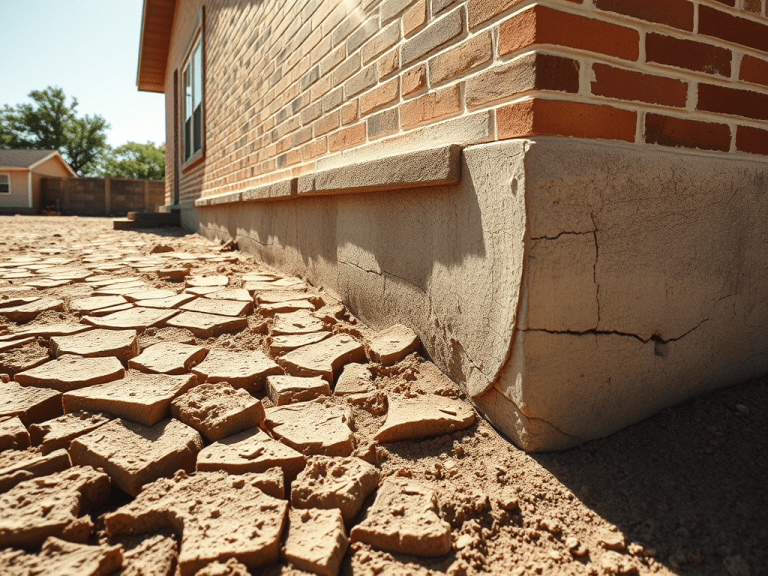
Soil Conditions Play a Major Role: In regions like Texas, expansive clay soils can shrink and swell with moisture changes. This movement affects crawl space homes more than slab homes because they are not directly resting on the ground.
-
Expect Future Adjustments: Over time, your crawl space home may require re-adjustments to maintain stability as the soil continues to shift.
-
Cracks and Cosmetic Changes: When the home is brought back to a level position, it’s not uncommon for new cracks to develop in drywall, flooring, or brickwork. These are cosmetic issues resulting from the house adjusting to its new alignment.
Slab Foundations
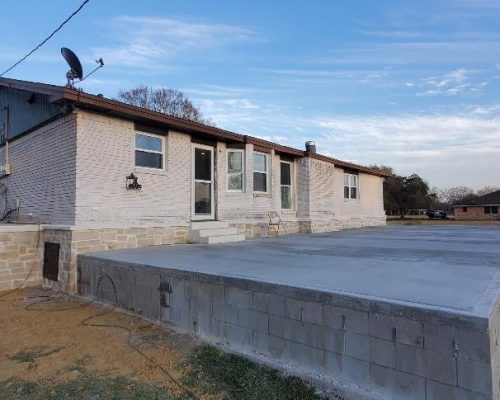
Concrete slab foundations are poured directly onto the ground, making them heavier and often more resistant to soil movement. However, they are not immune to settlement or shifting.
-
Generally More Stable: Slab homes tend to hold their position better over time, but areas with problematic soils can still experience settlement.
-
Leveling Risks: Lifting a concrete slab to restore level may also result in minor cosmetic damage, such as cracks or misaligned trim.
Perfect Leveling: Is It Possible?
While it is technically possible to level a home as close to “zero” variance as possible, it comes with significant risks. Forcing a home into perfect alignment can create stress on framing, plumbing, and other components, which may lead to new cracks or functional problems.
Industry Standards for Variance
According to the International Residential Code (IRC) and other construction guidelines, a 1-inch variance over every 10 feet of floor space is considered acceptable for residential structures. This means that slight slopes or deviations in level are normal and not considered structural failures.
For most homes, the goal is structural stability and functionality, rather than mathematical perfection.
Pros and Cons: Crawl Space vs. Slab
| Crawl Space Homes | Slab Homes |
|---|---|
| Easier access for plumbing repairs | Solid base directly on the ground |
| More prone to future adjustments | Generally more stable over time |
| May develop new cracks during leveling | Minor cosmetic cracks still possible |
| Lightweight and flexible design | Heavier, more rigid structure |
Key Takeaways for Homeowners
-
Some movement is normal and expected after leveling.
-
Crawl space homes may require adjustments over time due to soil shifts.
-
Slab homes are more stable but still susceptible to movement in certain soils.
-
Achieving perfect level is not always recommended as it can introduce additional risks.
-
Industry standards allow for slight variance in level to ensure structural safety.
Need Expert Advice?
At Leon Foundation Repair, we specialize in leveling crawl space and slab foundations with an understanding of the unique challenges posed by Texas soils. Our team focuses on long-term stability and educating homeowners on what to expect after their home is leveled.
Contact us today for a professional evaluation and personalized recommendations to keep your home secure for years to come.