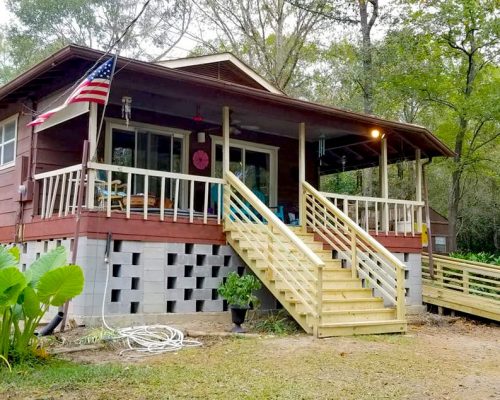
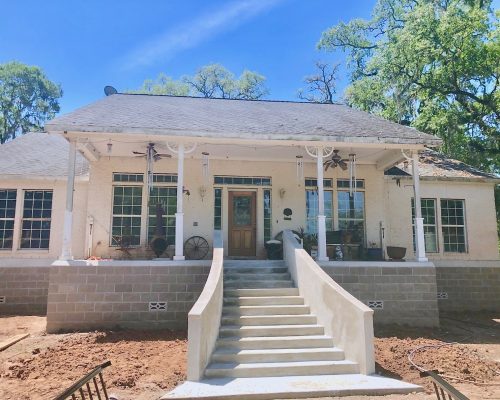
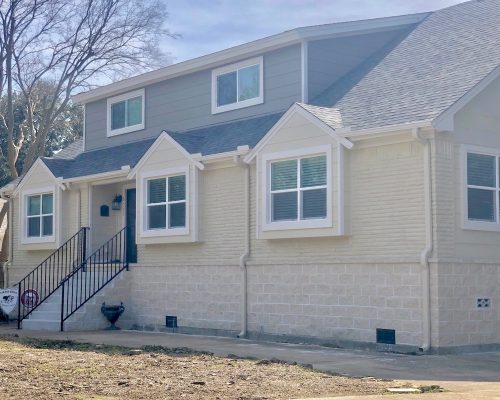
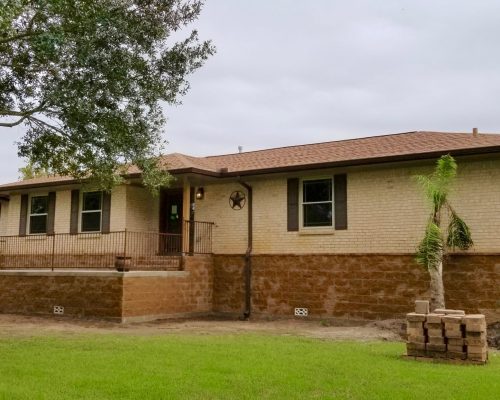
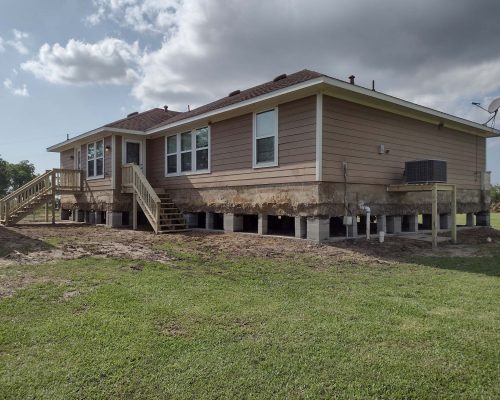
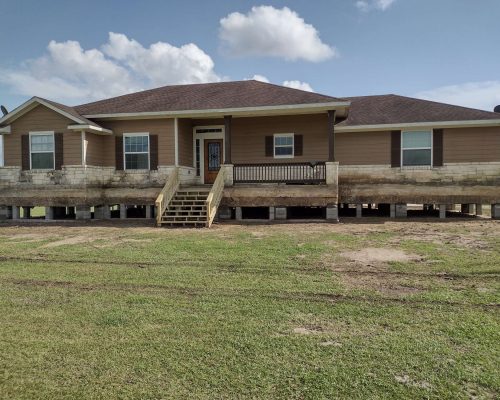
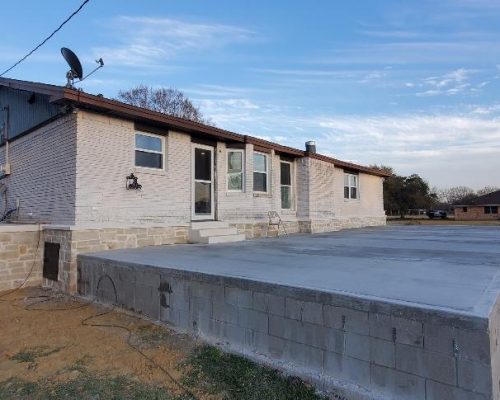
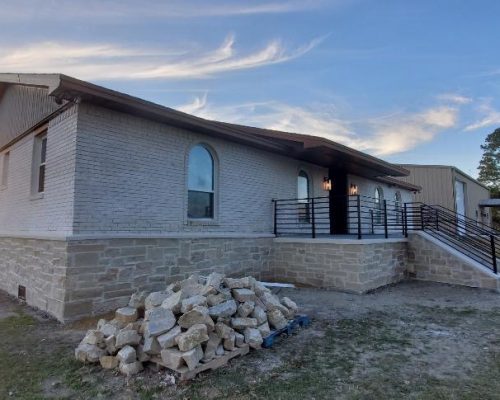
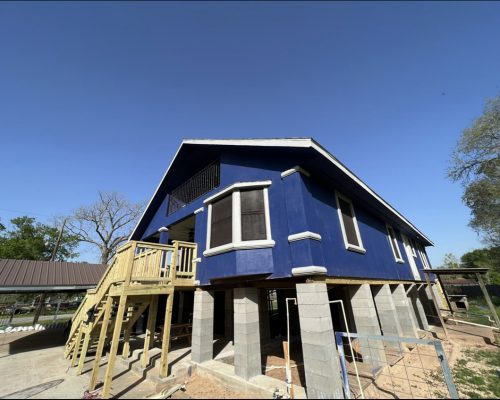
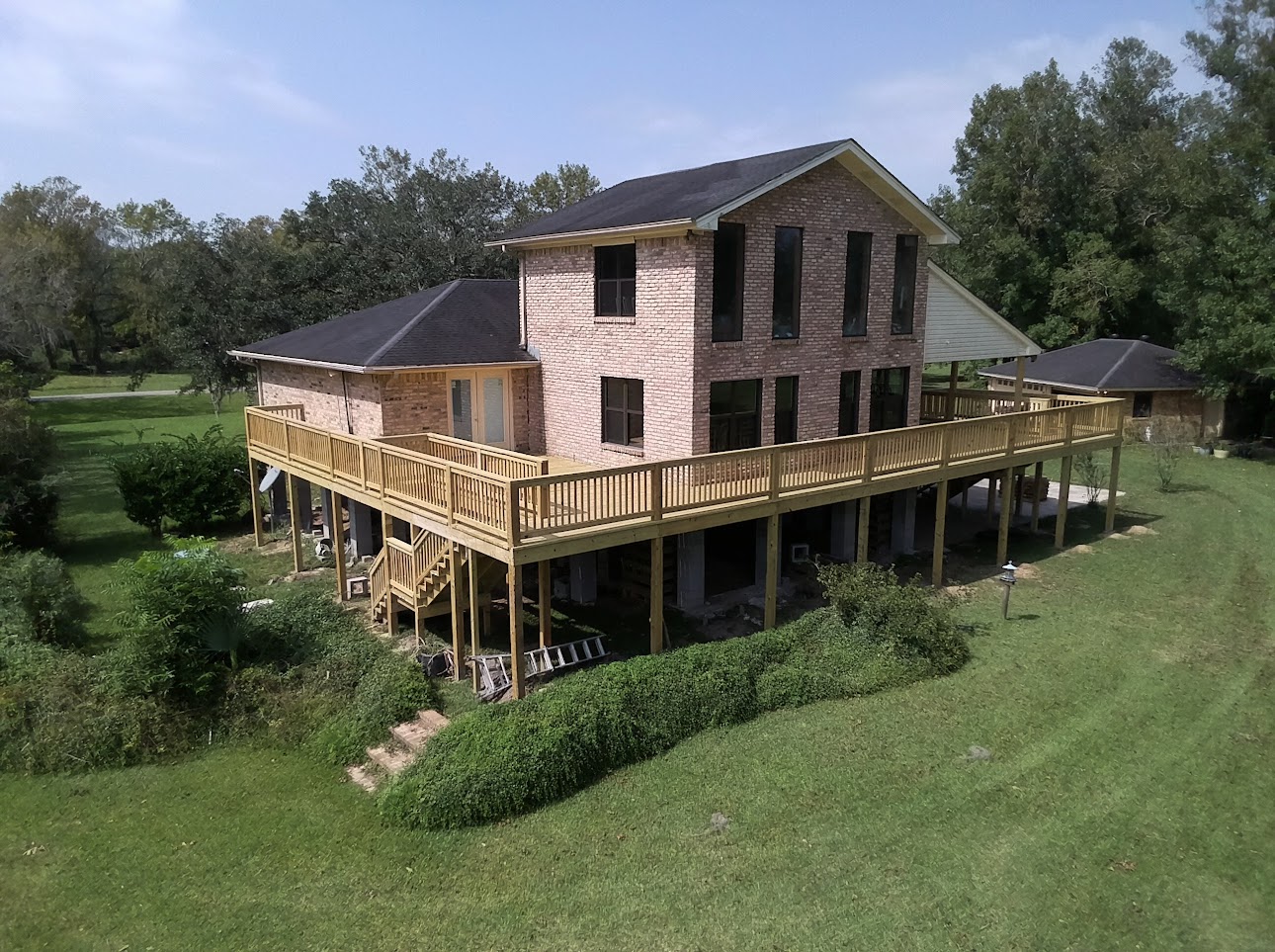
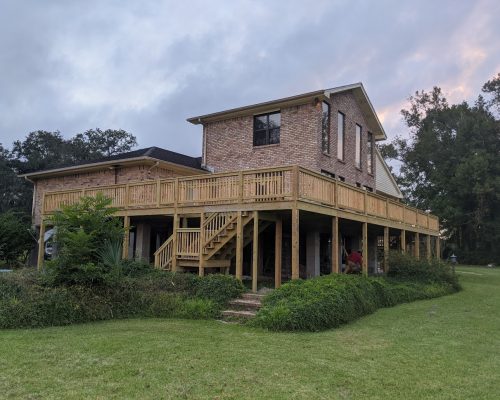
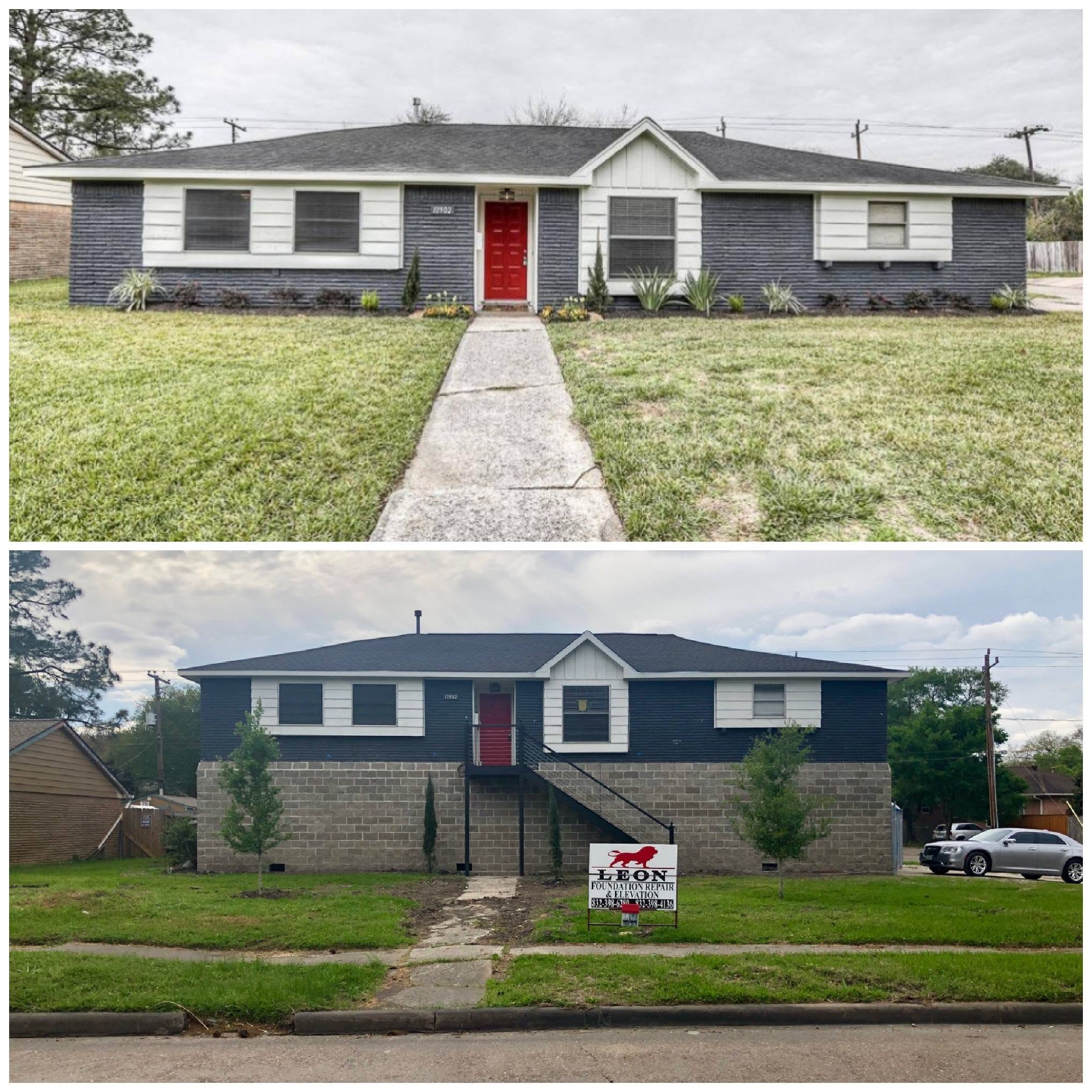
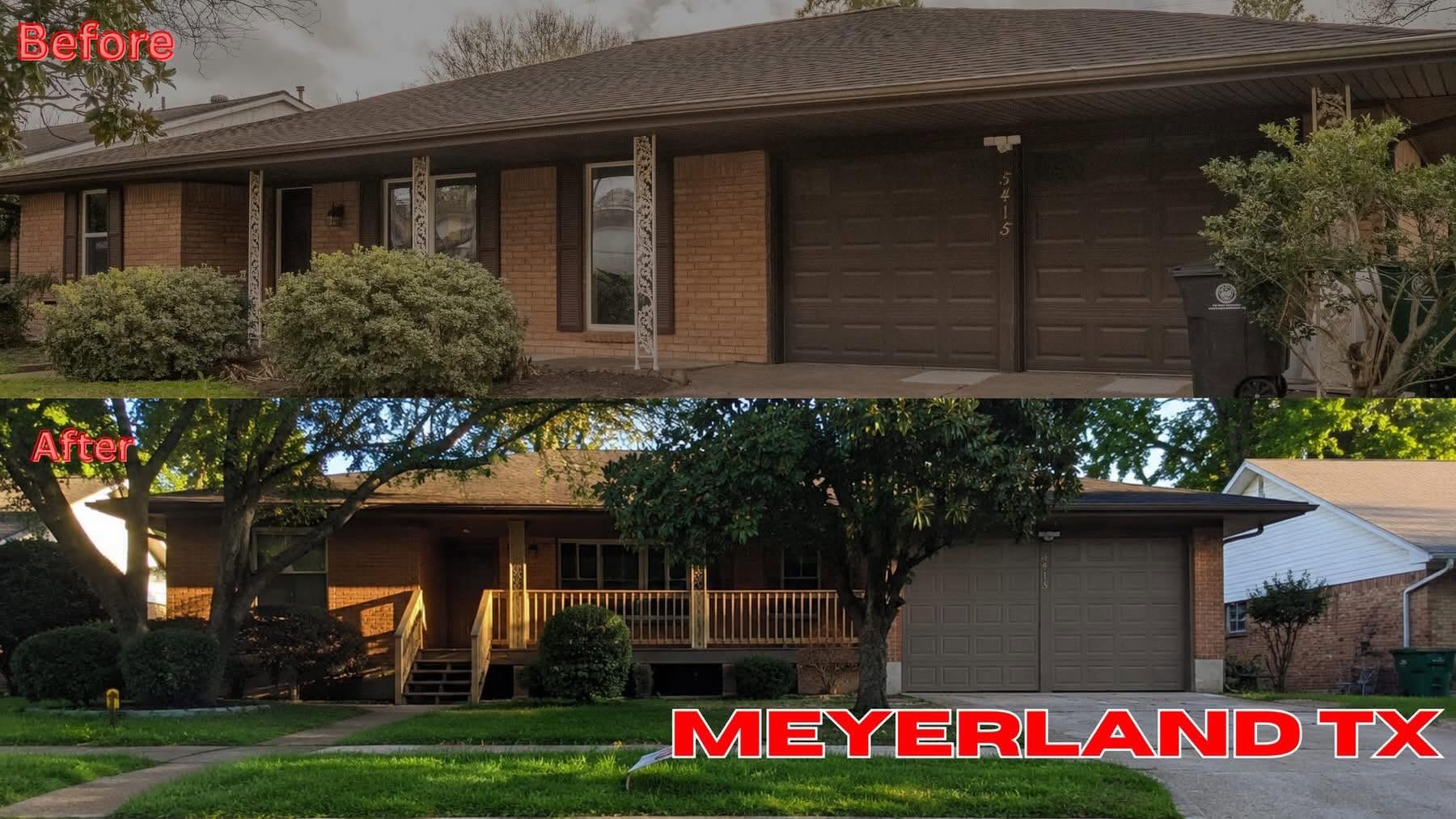
Elevating your home is one of the smartest ways to protect it from flood damage. In areas like Houston, Texas, where heavy rains and flash floods are common, raising your home above flood level can prevent thousands in repairs. At Leon Foundation Repair, we specialize in home elevation that creates a lasting barrier between your foundation and rising water. It’s a proven way to reduce risk, protect your investment, and even lower your flood insurance costs.
A unified hydraulic lifting system carefully controls the process of raising a structure so that it raises gently and evenly at many places. Instead of only using big lifting beams, the hydraulic pistons (jacks) are typically put right on the home’s footings or structural beams, depending on the kind of foundation. A single hydraulic system connects all of the pistons and equally distributes pressure so all of the jacks may rise at the same speed. These hydraulic cylinders can lift a lot of weight—usually 20 to 50 tons per piston—and they have a lengthy stroke range that lets the structure be elevated slowly while keeping it stable and under control. The technology elevates the structure **evenly across several points**, which makes the frame and foundation less stressed while it is being raised. Steel lifting beams may be used to assist in spreading the load in specific cases, such as when separating a slab from the building or while building a block and base house. When the building is put back to its normal height after years of settling, it may occasionally cause small cracks in the drywall, stucco, or finishes. As long as the slab, footings, or structural components are in excellent shape, the unified lifting process itself does not hurt the structure. Any minor cracks that do emerge are usually only cosmetic and can be fixed simply once the lift is done.
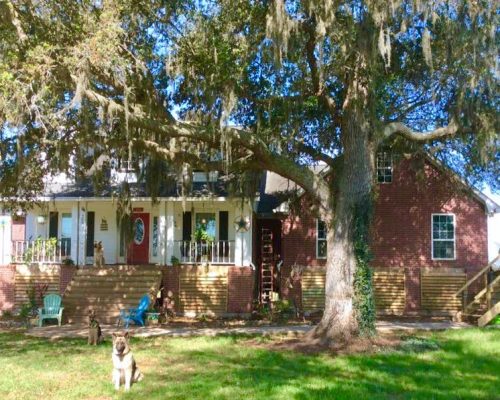
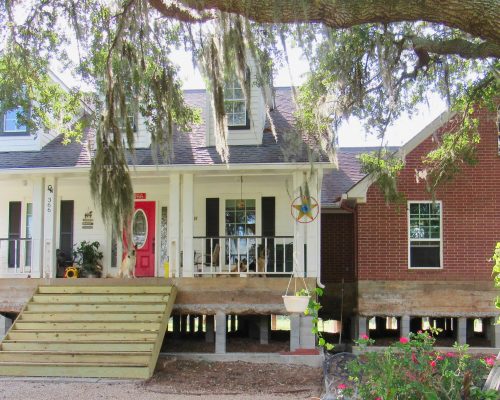
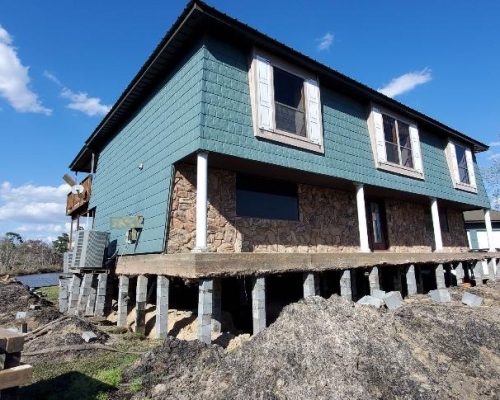
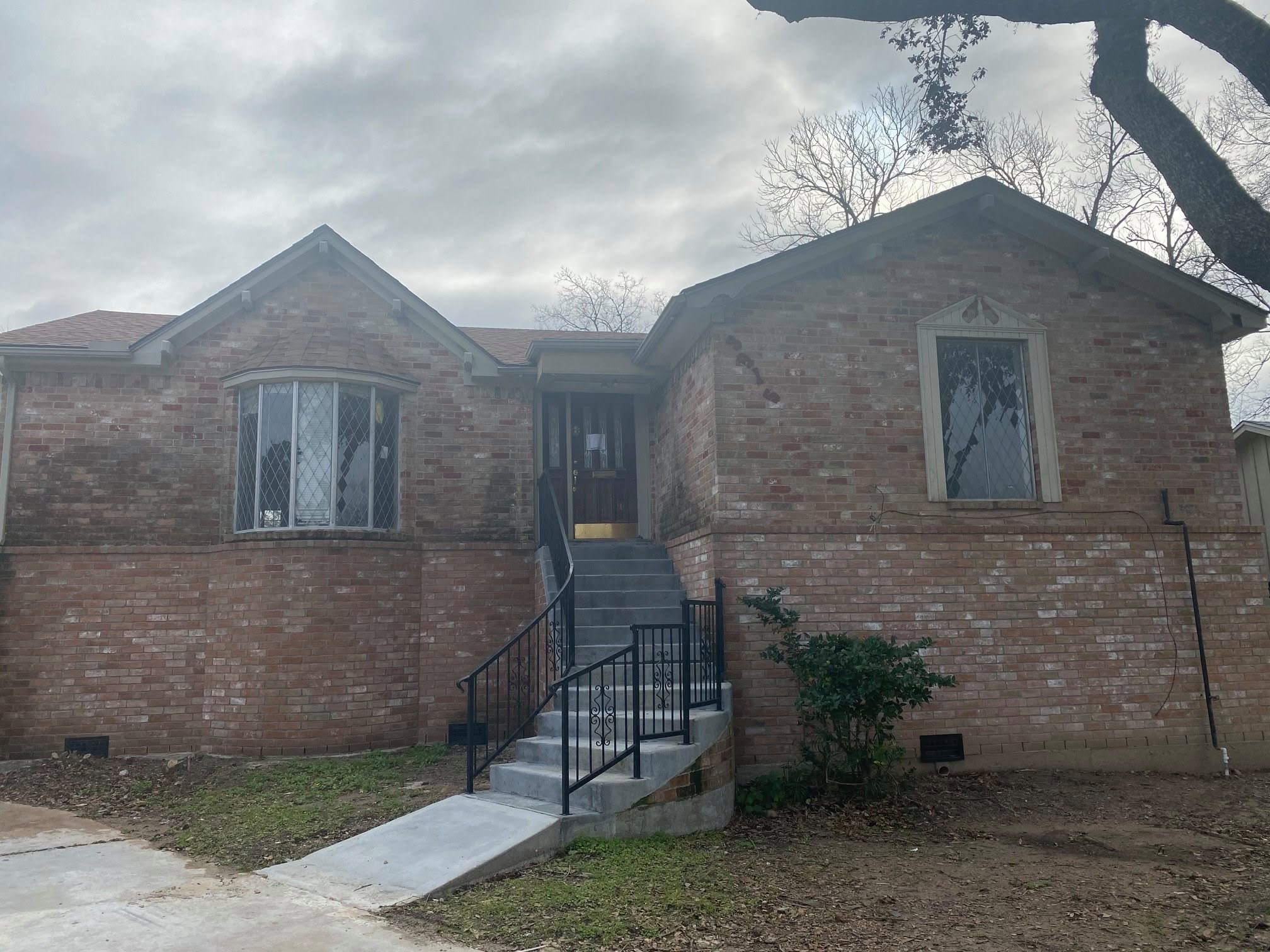
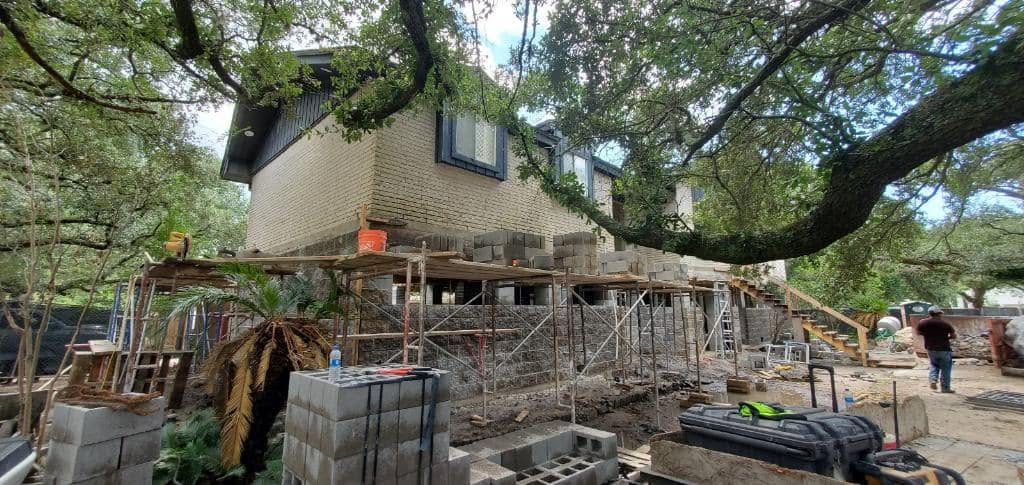
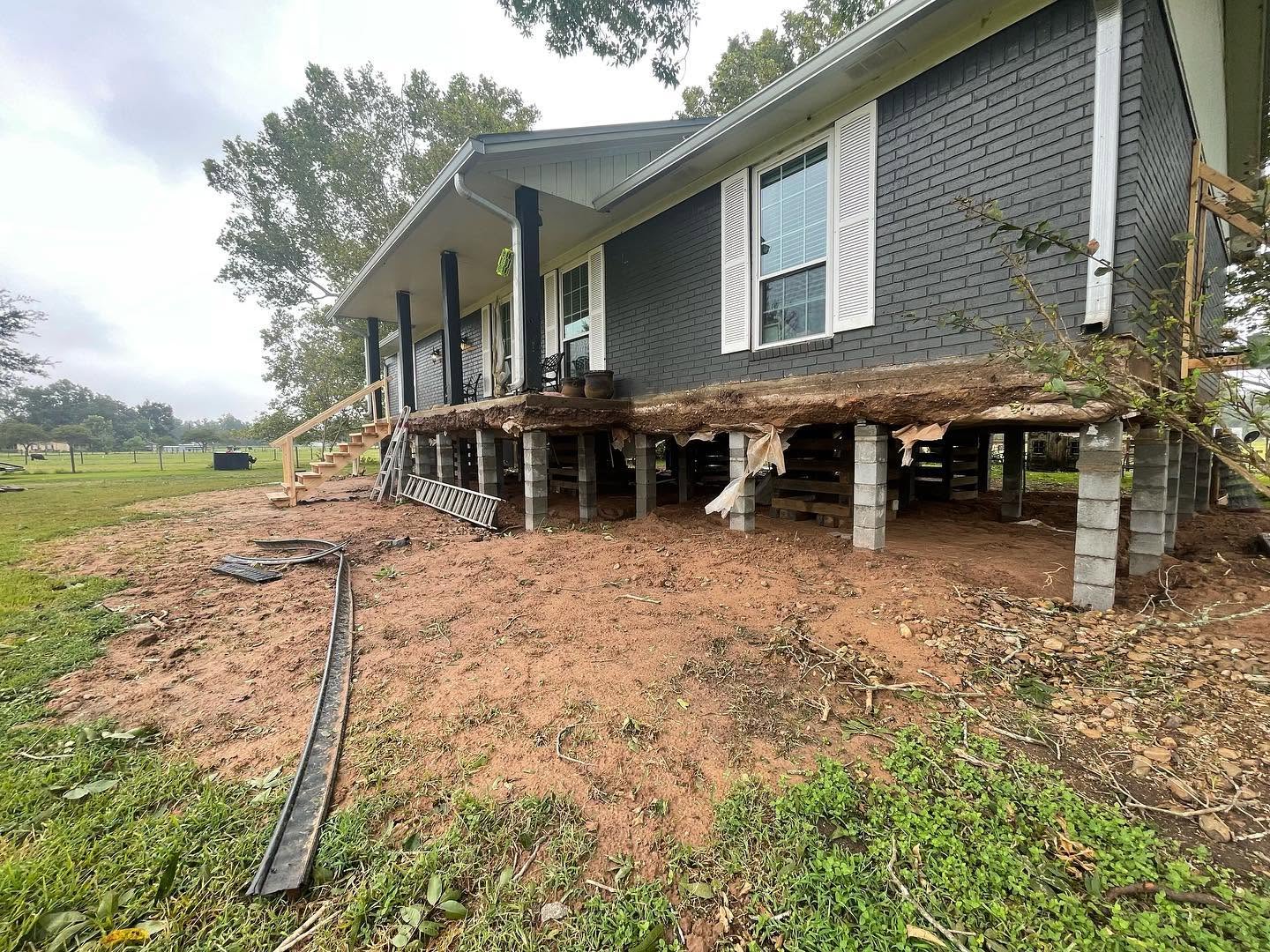
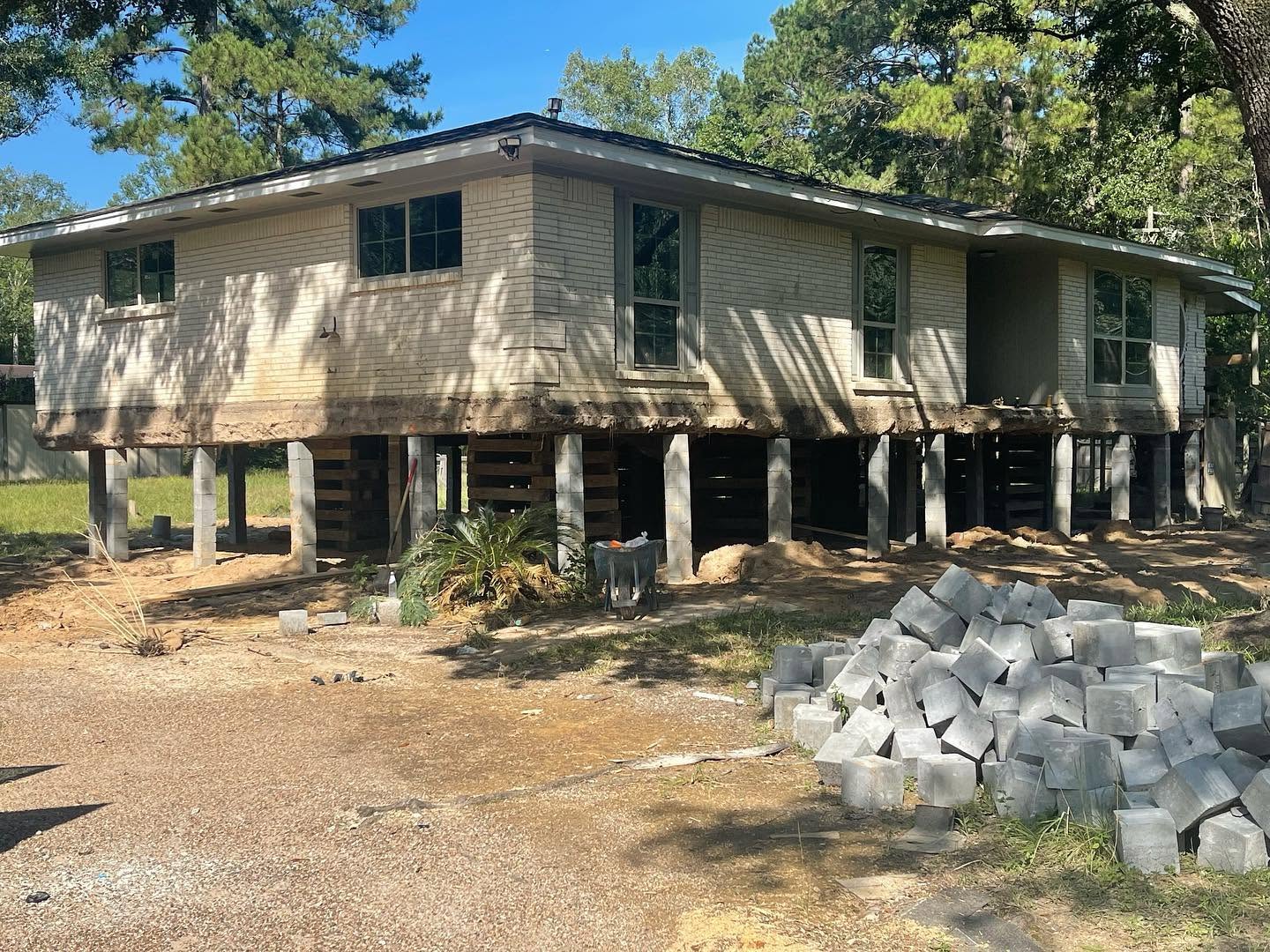
Many people think that when a building is raised, the area under the house must be filled with earth or soil, but this is not true. Elevated buildings are built with an open space below them so that air can flow and water may flow through when it rains heavily or floods. Not compacted dirt, but a structural structure made up of concrete footings and reinforced columns supports the house. Most elevation projects have the structure sitting on reinforced concrete columns that are on concrete footings. Most of the time, these columns are filled with concrete that has a pressure of 4,000 PSI and a No. 5 rebar cage within the column to make them stronger. The rebar is hooked into the concrete footing strip, which is likewise strengthened with No. 5 rebar to provide a strong structural link between the column and the footing. For many buildings, a standard size for the footing is around 18 inches by 24 inches, however the specific size might change based on the building’s size and weight. When the elevation height is minimal, like 16 inches or less than 3 feet, the current system with reinforced columns and footings may typically still sustain block and base houses. The technique can be a little different for houses with slabs. Instead of continuous footing strips, builders may put in reinforced concrete pads that are about 20 x 20 x 24 inches and support the columns. In rare situations, the building may also be built atop pilings that were put in place to hold the extra weight. The most crucial thing to remember at the conclusion of the project is that an elevated structure usually has an open crawl area below it. There is nothing packed beneath the house, and the open design helps keep moisture from building up and lets floods pass freely without pressing on the structure. People usually merely add skirting, which may be constructed of wood, brick, or siding. Skirting is mostly used to make things seem better and hide the free space. It doesn’t support the structure or fill the space under the house.
FEMA classifies flood zones based on how likely an area is to flood. These zones help determine insurance rates, building codes, and whether or not elevation is needed.
High-Risk (Hazardous) Flood Zones:
Zone AE, A – Areas with a high risk of flooding. Often require elevation above Base Flood Elevation (BFE).
Zone VE – High-risk coastal zones with added wave hazards. Homes usually need to be elevated on piers or columns.
Zone AH, AO – High-risk areas with shallow flooding from rain or runoff.
Low to Moderate Risk Zones:
Zone X (Shaded) – Moderate risk. Flooding is possible but less common.
Zone X (Unshaded) – Minimal risk, but still not immune.
Zone D – Risk unknown or unstudied by FEMA.
If your home is in a high-risk zone, elevating your property is one of the best ways to avoid damage, meet code requirements, and lower flood insurance premiums. Leon Foundation Repair can help determine your zone and raise your home the right way.
Not all the time. But if you are rebuilding after a flood or making big changes to the structure, Houston, Texas's construction standards may mandate the home to be raised. Properties in Houston and the nearby Gulf Coast that are in high-risk flood zones often have to follow additional rules to protect them from future flood damage. In many circumstances, raising the building is one of the best long-term ways for homeowners to avoid losing things to flooding again and again while still following Houston floodplain rules and FEMA rules.
That depends on your property’s Base Flood Elevation (BFE), which is the minimum height FEMA recommends building above. Most elevations raise the home 2–4 feet above BFE, but Leon Foundation Repair will determine the exact height based on your local requirements.
Yes. Homes elevated above the base flood level typically qualify for significantly reduced flood insurance premiums. The higher your home is above the BFE, the more you may save each year.
Absolutely. While the upfront cost varies, elevation protects your property from future flood damage, preserves its resale value, and can help you qualify for FEMA or insurance funding. It’s a long-term solution that pays off in safety and peace of mind.
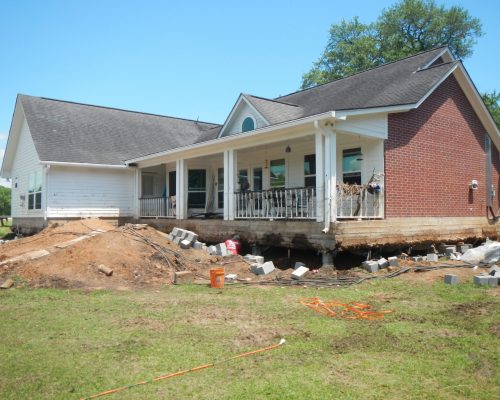
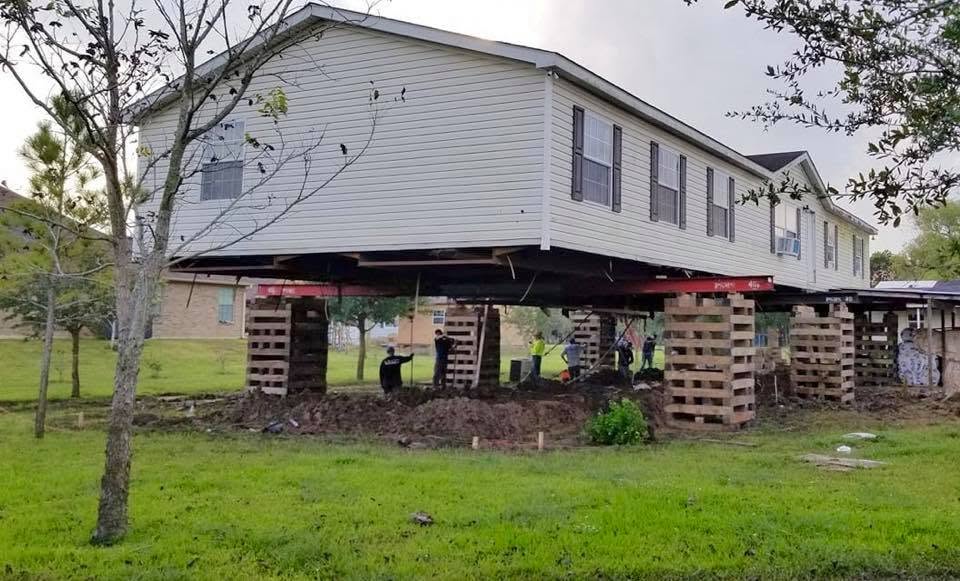
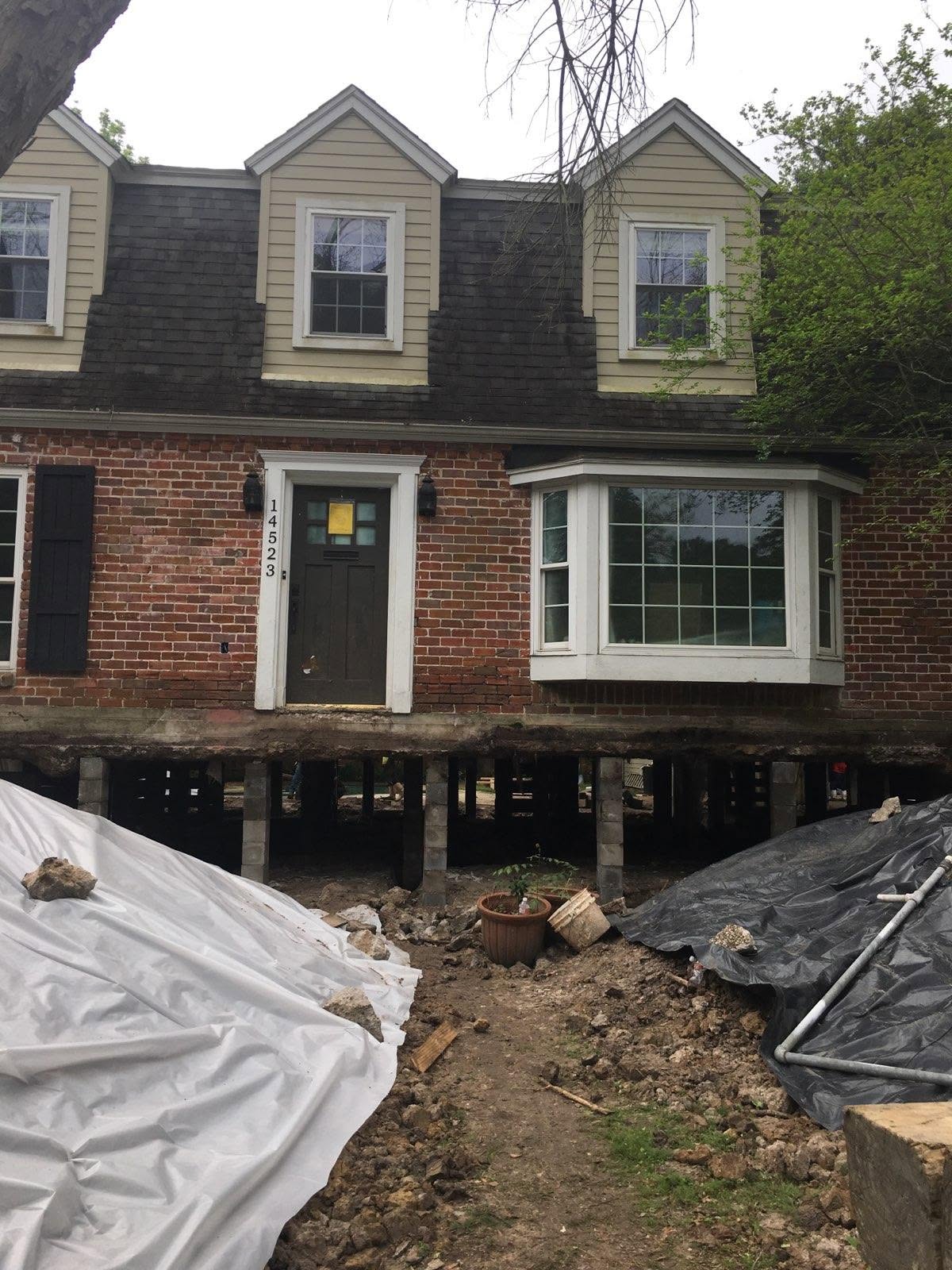
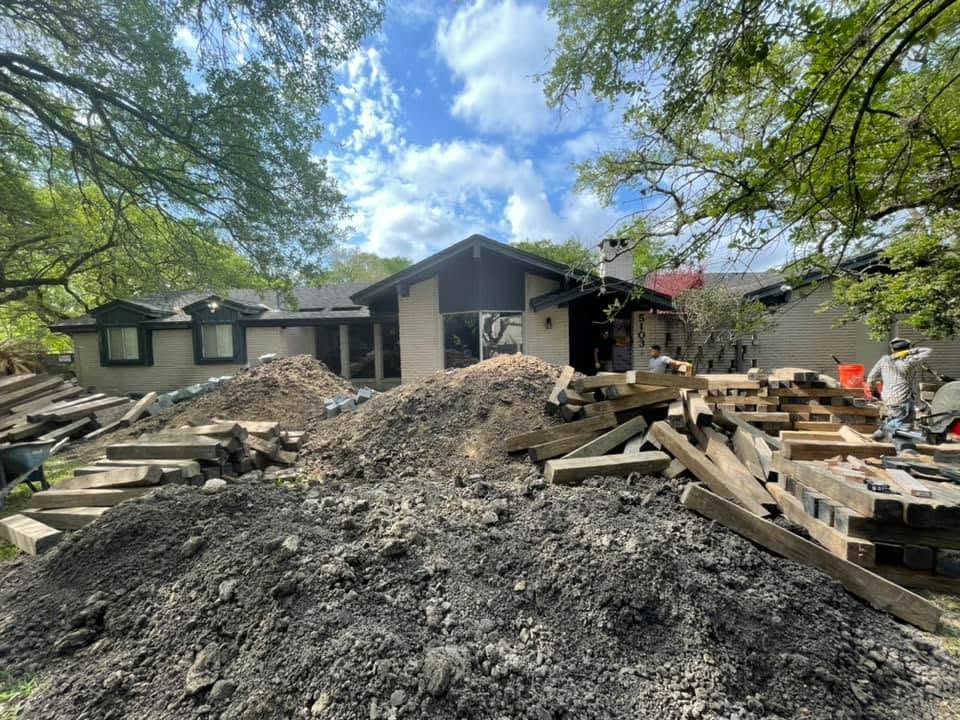
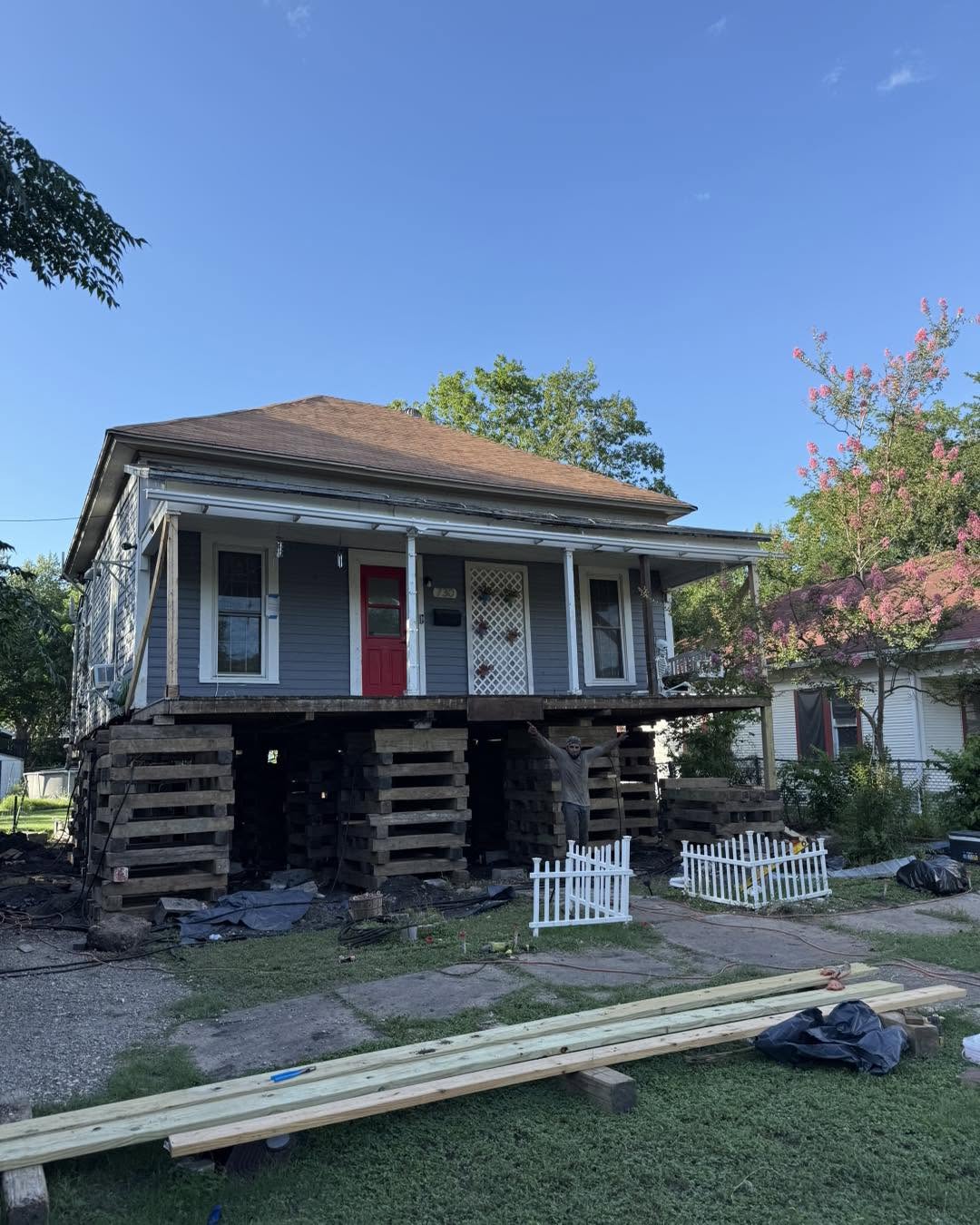
Home elevation is a detailed, step-by-step process. First, our crew begins with prep work, including digging around the home and driving structural piers deep into the ground to reach strong, stable soil. These piers act as anchor points for the lift. Once secure, we place our Unified Jacking System under the home and begin a controlled lift, raising the entire structure evenly and safely.
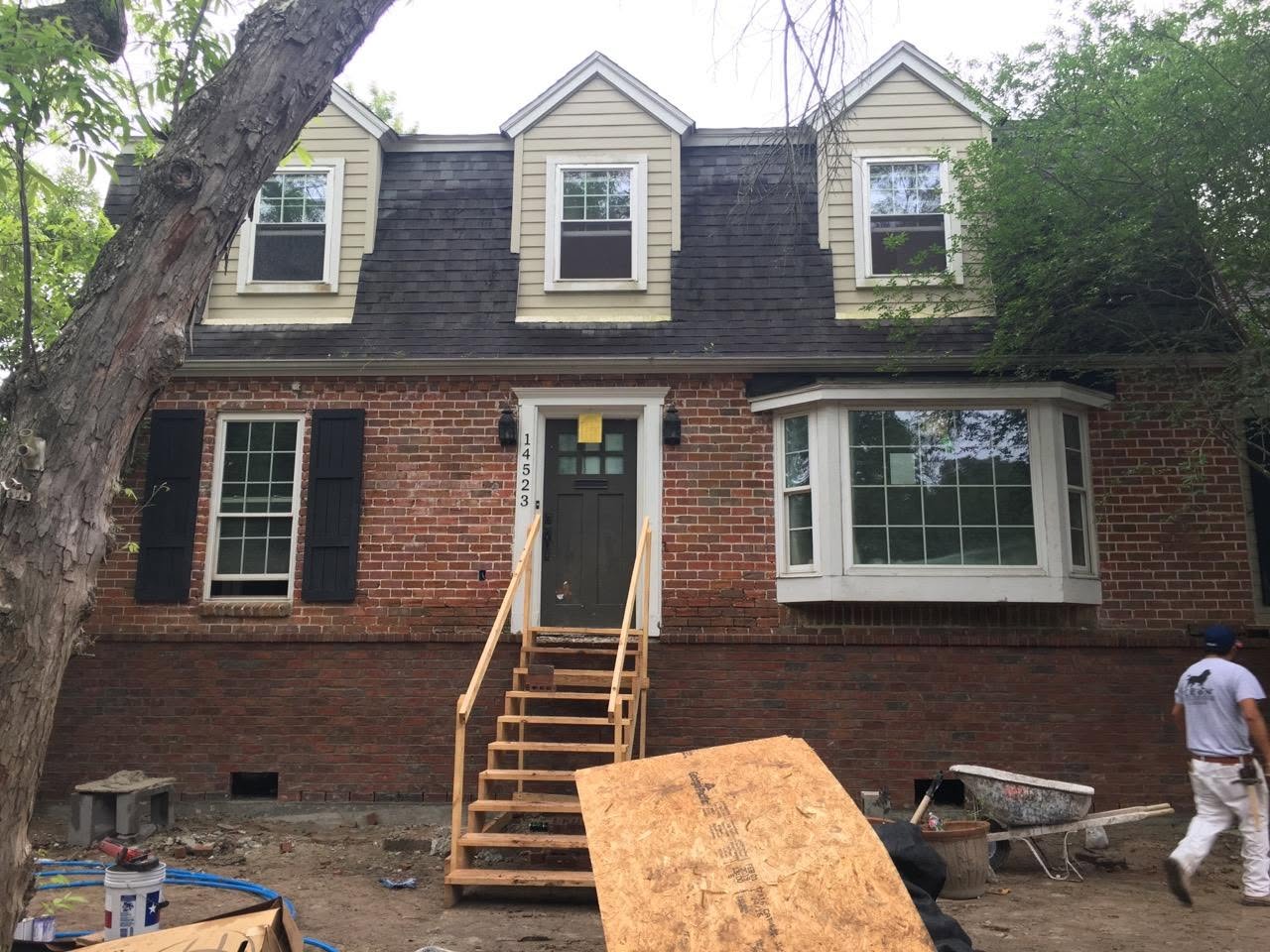
As the house is lifted, we insert cribbing blocks (similar to large, stacked Jenga blocks) underneath to temporarily hold the weight while we reset the foundation. After reaching the proper elevation, we pour concrete strip footings and install reinforced concrete columns that will permanently support the raised structure. The result is a stronger, elevated foundation designed to withstand future flooding.