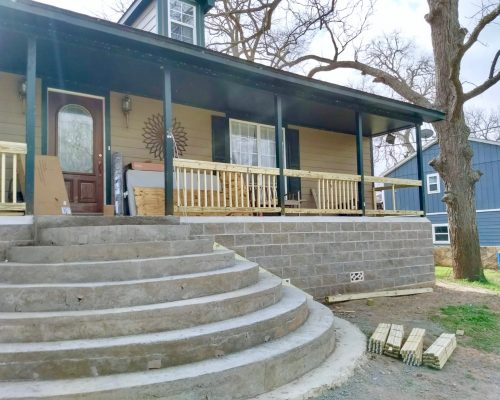
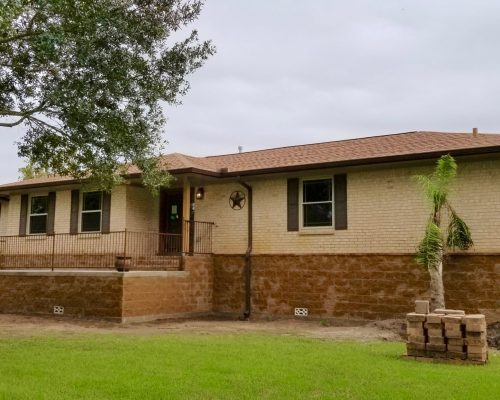
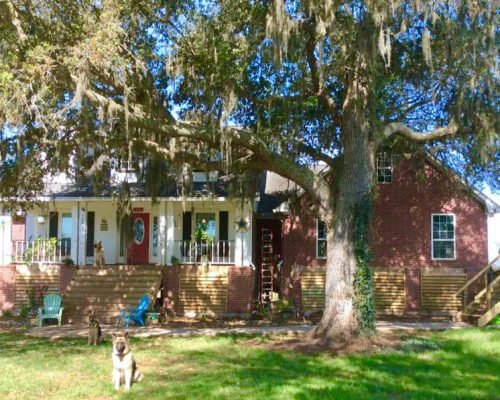
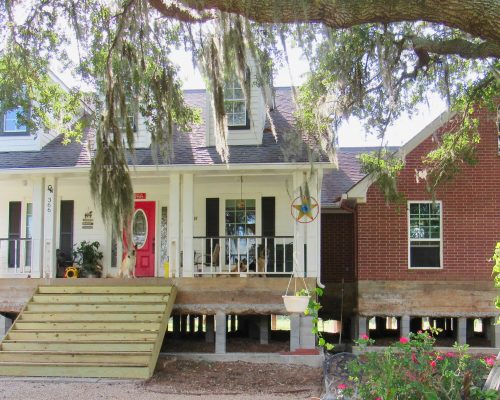
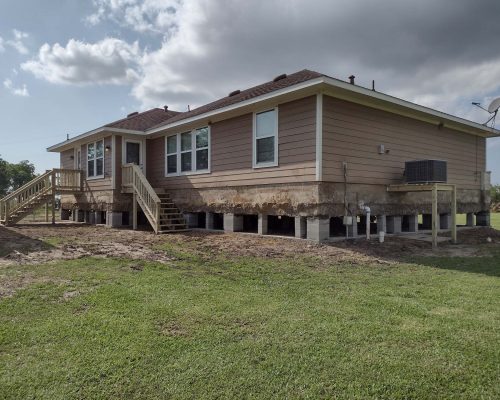
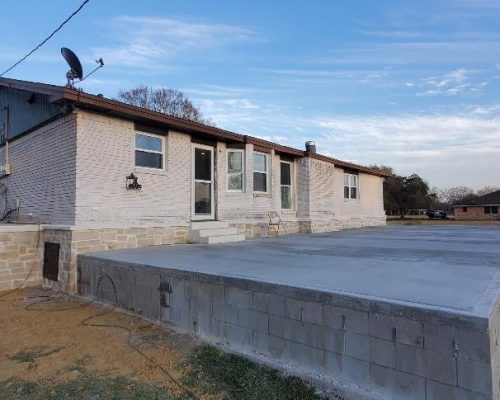
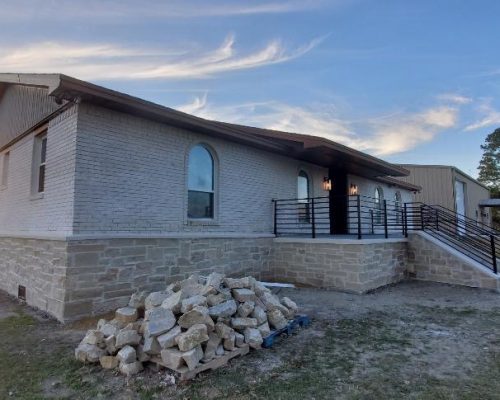
Elevating your home is one of the smartest ways to protect it from flood damage. In areas like South Texas, where heavy rains and flash floods are common, raising your home above flood level can prevent thousands in repairs. At Leon Foundation Repair, we specialize in home elevation that creates a lasting barrier between your foundation and rising water. It’s a proven way to reduce risk, protect your investment, and even lower your flood insurance costs.
FEMA classifies flood zones based on how likely an area is to flood. These zones help determine insurance rates, building codes, and whether or not elevation is needed.
High-Risk (Hazardous) Flood Zones:
Zone AE, A – Areas with a high risk of flooding. Often require elevation above Base Flood Elevation (BFE).
Zone VE – High-risk coastal zones with added wave hazards. Homes usually need to be elevated on piers or columns.
Zone AH, AO – High-risk areas with shallow flooding from rain or runoff.
Low to Moderate Risk Zones:
Zone X (Shaded) – Moderate risk. Flooding is possible but less common.
Zone X (Unshaded) – Minimal risk, but still not immune.
Zone D – Risk unknown or unstudied by FEMA.
If your home is in a high-risk zone, elevating your property is one of the best ways to avoid damage, meet code requirements, and lower flood insurance premiums. Leon Foundation Repair can help determine your zone and raise your home the right way.
Not always, but if you’re rebuilding after a flood or making major improvements, local building codes may require it. In high-risk zones, elevation is often the best long-term solution to avoid repeated damage and stay compliant with FEMA guidelines.
That depends on your property’s Base Flood Elevation (BFE), which is the minimum height FEMA recommends building above. Most elevations raise the home 2–4 feet above BFE, but Leon Foundation Repair will determine the exact height based on your local requirements.
Yes. Homes elevated above the base flood level typically qualify for significantly reduced flood insurance premiums. The higher your home is above the BFE, the more you may save each year.
Absolutely. While the upfront cost varies, elevation protects your property from future flood damage, preserves its resale value, and can help you qualify for FEMA or insurance funding. It’s a long-term solution that pays off in safety and peace of mind.
Home elevation is a detailed, step-by-step process. First, our crew begins with prep work, including digging around the home and driving structural piers deep into the ground to reach strong, stable soil. These piers act as anchor points for the lift. Once secure, we place our Unified Jacking System under the home and begin a controlled lift, raising the entire structure evenly and safely.
As the house is lifted, we insert cribbing blocks (similar to large, stacked Jenga blocks) underneath to temporarily hold the weight while we reset the foundation. After reaching the proper elevation, we pour concrete strip footings and install reinforced concrete columns that will permanently support the raised structure. The result is a stronger, elevated foundation designed to withstand future flooding.